
Parking Lot Lights Not Working in Oakville
A parking lot outage report is most useful when another person can identify the same location and understand what was observed. Start with the affected pole, row or entrance connection, then describe whether the concern involves one fitting, several locations or the whole area used after dark.
Keep the cause undecided. Lights that appear dark can lead to several assessment questions, and a view from the ground does not establish which equipment needs work. For an Oakville property, bring the timing, ordinary parking conditions, available service records and access contact together. The aim is a clear report that supports qualified assessment while the property team addresses its immediate operating needs.
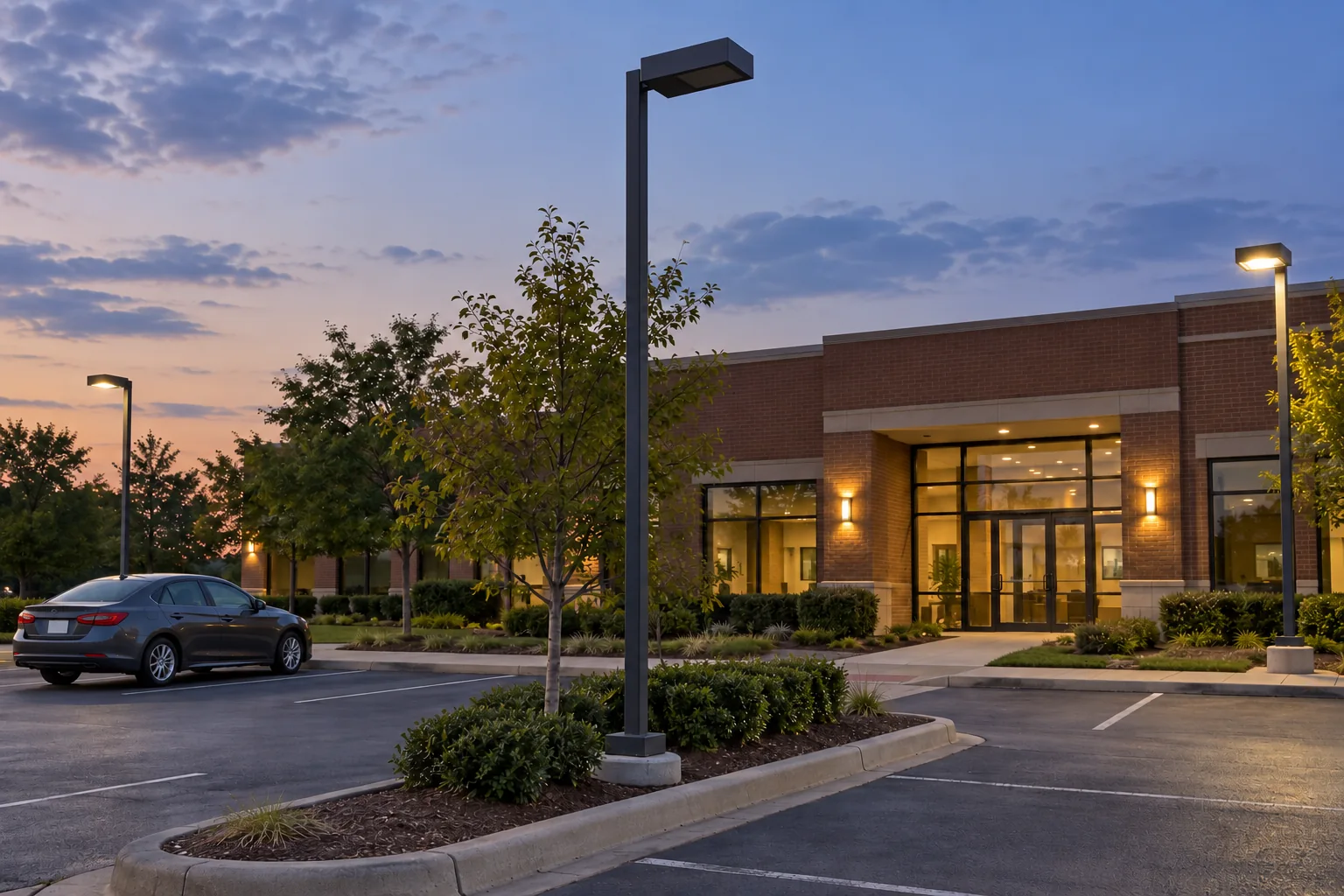
Tell us where the outage is and how it was noticed
Give the property location and a recognisable pole, row or door reference. Include the first reported occurrence, approximate time and whether the same area was known to operate previously. Mark uncertain details clearly instead of guessing a fixture type or electrical cause.
Describe the route or activity affected, the ordinary occupied period and who can coordinate common-area access. Existing plans, work records and normal ground-level photographs can help locate the concern. Do not access poles, housings or electrical equipment to complete the request.
Make the affected area easy to find in the records
The Town’s Employment Areas Review identifies employment land north and south of the QEW.
At an Oakville premises in that corridor, use the actual building and entrance names to distinguish an office parking outage from a warehouse service-yard report. A staff-departure row and a delivery approach can involve different users and approval contacts even at one address. Record the affected route and ordinary use rather than treating the corridor location as an equipment, access or zoning conclusion.
If the property already numbers its poles, use that numbering. Otherwise connect the report to a recognisable fixed reference, such as the rear entrance, a named parking row or an existing plan position. Avoid assigning a new number that could be confused with an established maintenance record. For a multi-building property, include the building name as well as the common site address.
Describe what belongs to the affected location. A pole can carry more than one visible fitting, while the row beneath it may receive light from elsewhere. Note the fittings that appear unlit and the area experiencing the concern separately. That distinction helps prevent a report about the appearance of one housing from being treated as an account of the entire parking row.
Use records already held by the owner to add product or previous-work information. A weathered exterior housing is a visible condition, not proof of the internal fault. Keep a photograph’s role limited to identifying the arrangement. If records disagree with the current view, explain the mismatch and leave verification to the assessment rather than filling the gap with a guessed equipment description.
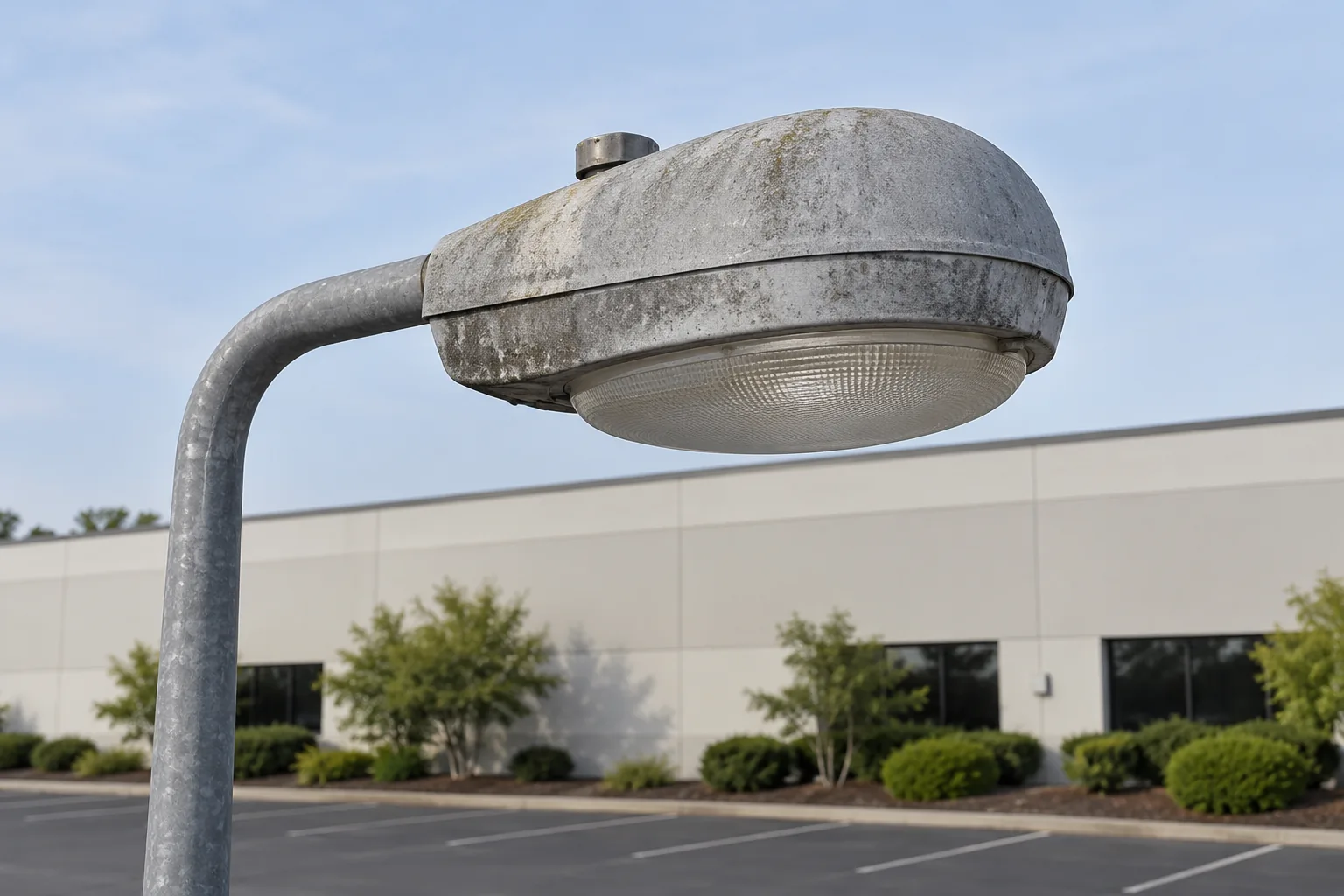
Different outage patterns need different descriptions
| What was observed | Information to retain | Assessment question |
|---|---|---|
| One apparent unlit fitting | Identify its existing location reference and whether other fittings at that pole appear to operate. Record the time and the surrounding parking use from normal observation. | What equipment and associated interfaces need review at this location? The observation does not select a replacement component. |
| Several locations dark together | List each position rather than describing only a total. Keep the observed grouping separate from any unverified circuit or control grouping in the records. | Which common relationships are documented, and which need assessment? Similar behaviour alone does not establish the cause. |
| Lights changed during normal use | Report the approximate sequence and dates already noticed. State whether the same locations were involved each time; do not wait beside equipment or attempt to recreate the event. | How does the reported behaviour relate to the known installation and intended operating period? |
| The entrance route feels affected | Mark the walking connection, doorway and parking positions involved. Identify lighting that appears to remain in operation without claiming that the whole route has been assessed. | Which parking and building-mounted areas belong to the request, and who manages their immediate operation? |
Explain the area people are using when the concern occurs
Add the activity behind the report. A customer arrival, staff departure and late delivery may involve different parts of the same lot. Name the entrance or service route each uses and the ordinary period involved. This keeps a concern about the walking connection from being reduced to a count of unlit housings, and helps the property coordinator describe what must be considered around the assessment.
Record normal obstructions as context. Vehicles, planted islands or stored materials can affect the view of an area without establishing an equipment fault. A route photographed while empty may look different when the business is occupied. Explain the usual arrangement in words, using images already available where helpful, instead of asking people to enter an affected area solely to gather more evidence.
If the reported condition makes ordinary use unsuitable, involve the responsible property team in managing access and the affected activity. Do not rely on an anticipated repair visit or an improvised lamp as an established solution. The coordinator should define the immediate operating response for that site while the equipment concern is assessed. Keep any temporary decision recorded separately from the agreed repair scope.
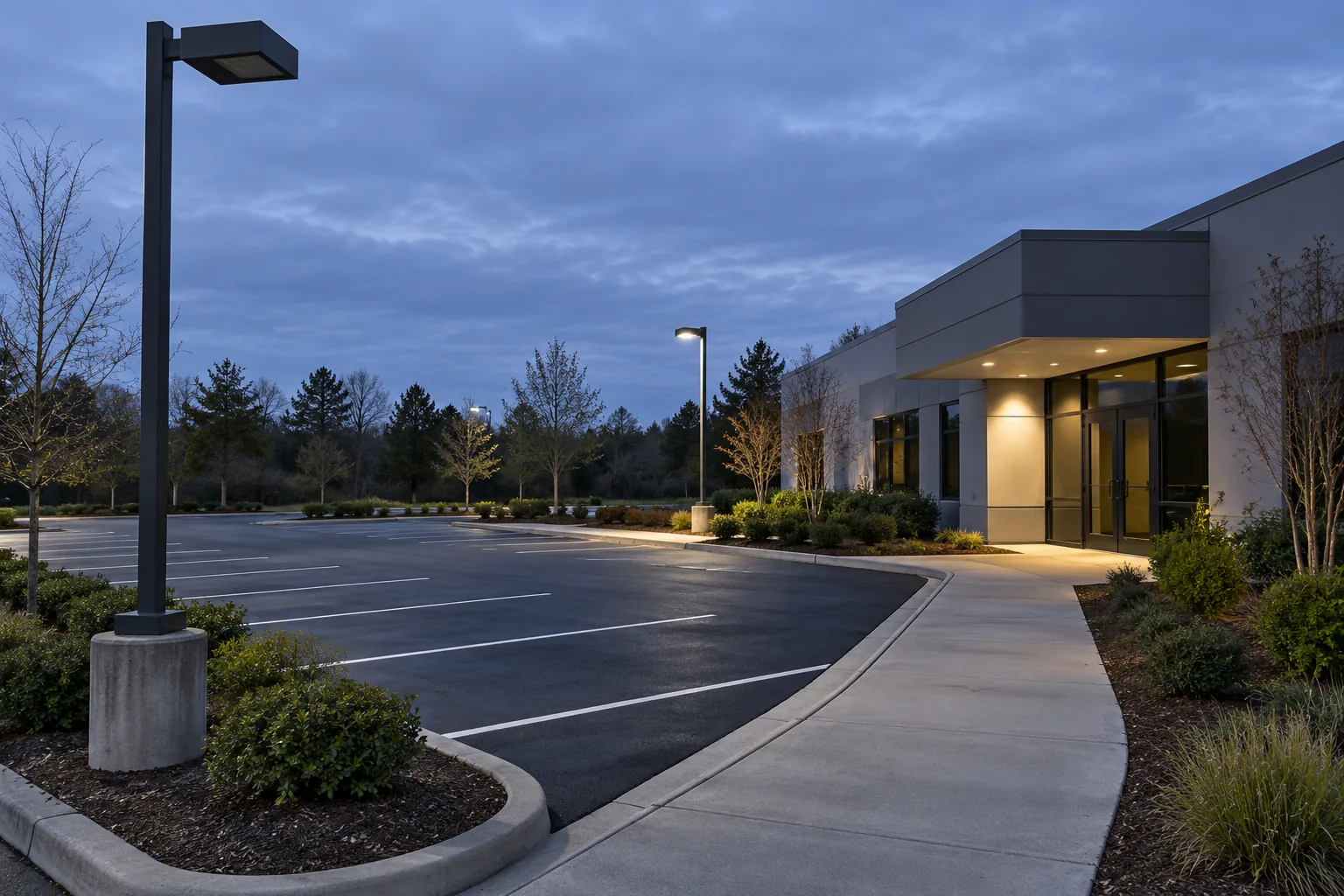
Three distinctions improve the account of timing
First noticed and last known operation
These may be different dates. Record when the concern was reported and any earlier normal operation actually known. If nobody has a reliable earlier account, leave that field uncertain rather than inventing a duration.
Observed grouping and documented grouping
Lights behaving together provide an observation. Existing drawings or records may describe a shared arrangement. Keep those two sources of information distinct so an unverified relationship does not become an asserted circuit description.
Normal use and a requested change
A changed tenant schedule can expose an area at a new time. Explain whether the owner expects the old behaviour restored or wants a different operating period. Those are separate questions even when both prompted the same report.
Use control and service records without turning them into a diagnosis
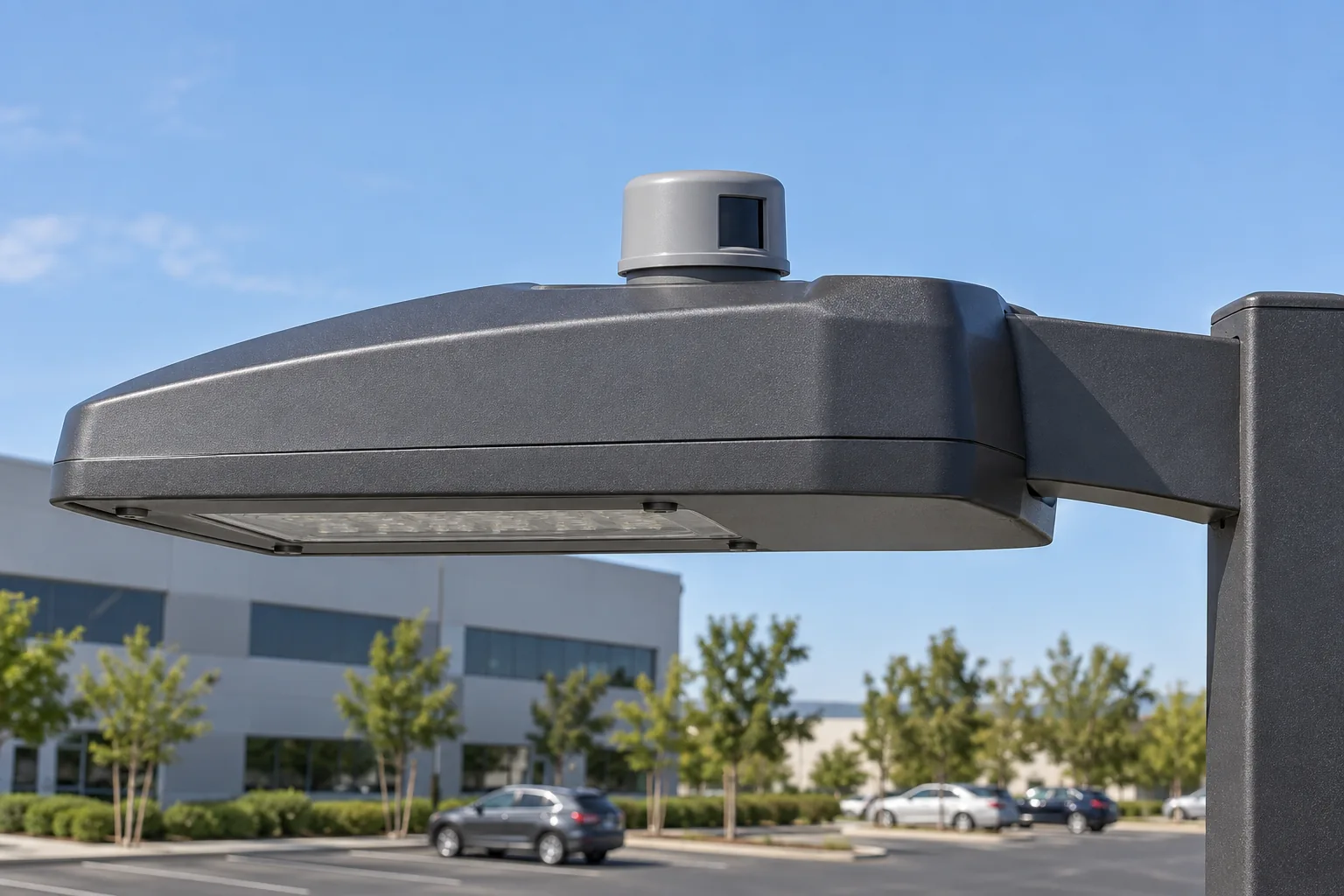
If the owner has a lighting schedule, fixture list or product record, include the part relevant to the affected area. Explain whether its version is current. A visible sensor-shaped device near a pole does not prove which group it serves, and a closed enclosure does not reveal the settings within it. The assessment can connect those records to the installation without asking occupants to open equipment.
Known recent events can also be reported: a previous service visit, a tenant change or a revised operating request. State what is documented and what was simply noticed. An event occurring before an outage can be useful context, but it is not proof that the event caused the concern. This distinction is particularly useful when several contacts contribute accounts at different times.
Keep the enquiry focused on ordinary observations and available information. Do not cover sensors, operate unfamiliar overrides, repeatedly reset breakers or alter fittings to demonstrate a pattern. Where a wider timing complaint is involved, use the exterior-controls guide to organise that behaviour. The outage request can then identify the unlit locations while the related operating question remains clear.
Coordinate records and access before the assessment
-
Consolidate the report
Use one location list with dated observations and named information sources. Keep unknown cause, grouping and earlier history explicit. Avoid several conflicting pole references in separate messages.
-
Name the decision-maker
Identify who can authorise common-property work and who receives tenant reports. A tenant using the lot may need a different contact to approve changes to its shared lighting.
-
Describe access restrictions
Provide normal parking and delivery periods, areas beside affected poles and known restrictions. The people carrying out the work should confirm the suitable access method and temporary work arrangement.
-
Retain the outcome
Keep the assessed locations, agreed work, unresolved concerns and updated equipment references together. If broader replacement is proposed, record its reason as a new decision linked to the outage findings.