
Photocells & Exterior Lighting Controls in Oakville
Exterior lighting needs to operate when the property requires it, with daylight response and occupied hours considered together. At an Oakville commercial building, a photocell may serve an individual fitting or participate in a wider control arrangement. Its location, the fixtures it affects and any retained scheduling all belong in the discussion.
Start with what you observe: lights operating through a bright afternoon, a group remaining dark after dusk, or different building sides behaving inconsistently. Define the problem before choosing a replacement device. Planned changes should connect the desired operation with compatible equipment, practical access and clear responsibility for future adjustments.
- Daylight response and property operating hours
- Sensor location, control groups and retained equipment
- Observed faults and planned exterior control changes
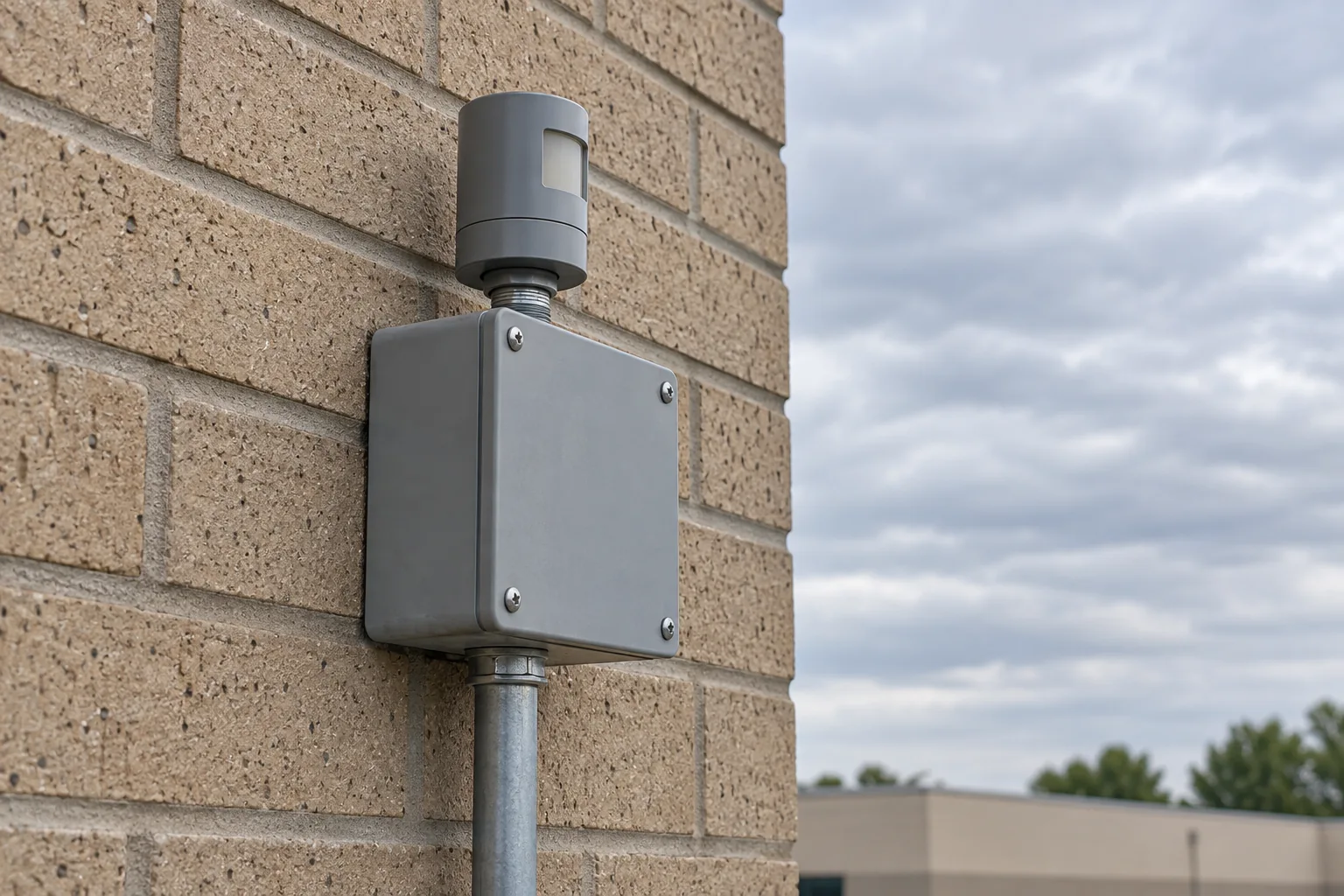
Tell us how the exterior lights are behaving
Include the Oakville property location and which exterior areas are affected. Describe the time, daylight conditions and whether the behaviour involves one fitting or a group. Photographs from ordinary ground-level positions can introduce the fixtures, surrounding wall or pole, and nearby obstructions.
If you know the existing control type or have product records, include them. Add opening, closing and late-use hours, any recent fixture replacement, and the contact who approves common-property work. Explain the desired operation as well as the current complaint; those two descriptions help define the next step.
- Locations, timing and daylight conditions
- Known controls, fixture changes and operating needs
- Property approval and equipment access
Review the sensor position in its surroundings
A photocell location should be understood alongside the building and the light it is intended to detect. A deep overhang, nearby equipment or a changed facade can make that position different from an open pole top. Identify these conditions in the assessment rather than treating every reported daytime operation as the same fault. Product instructions and the actual arrangement determine which installation changes are appropriate.
Intermatic notes that light reaching a photocontrol from nearby artificial sources, including the controlled fixture, can contribute to cycling. This is one assessment consideration, not a diagnosis for every property. Record when the unexpected behaviour occurs and which other lights are operating, then have the specific equipment and location reviewed. Observations from normal use are enough to introduce the concern; adjustment and electrical work belong with the qualified people assessing it.
Compare the sensor position with the fixtures it controls. A device on one side of a property may be associated with lighting elsewhere, where the daylight and operating needs differ. For a proposed change, identify the intended control group and its relevant conditions. A convenient mounting position should be considered with the behaviour required across that group, including the practical route for later servicing.
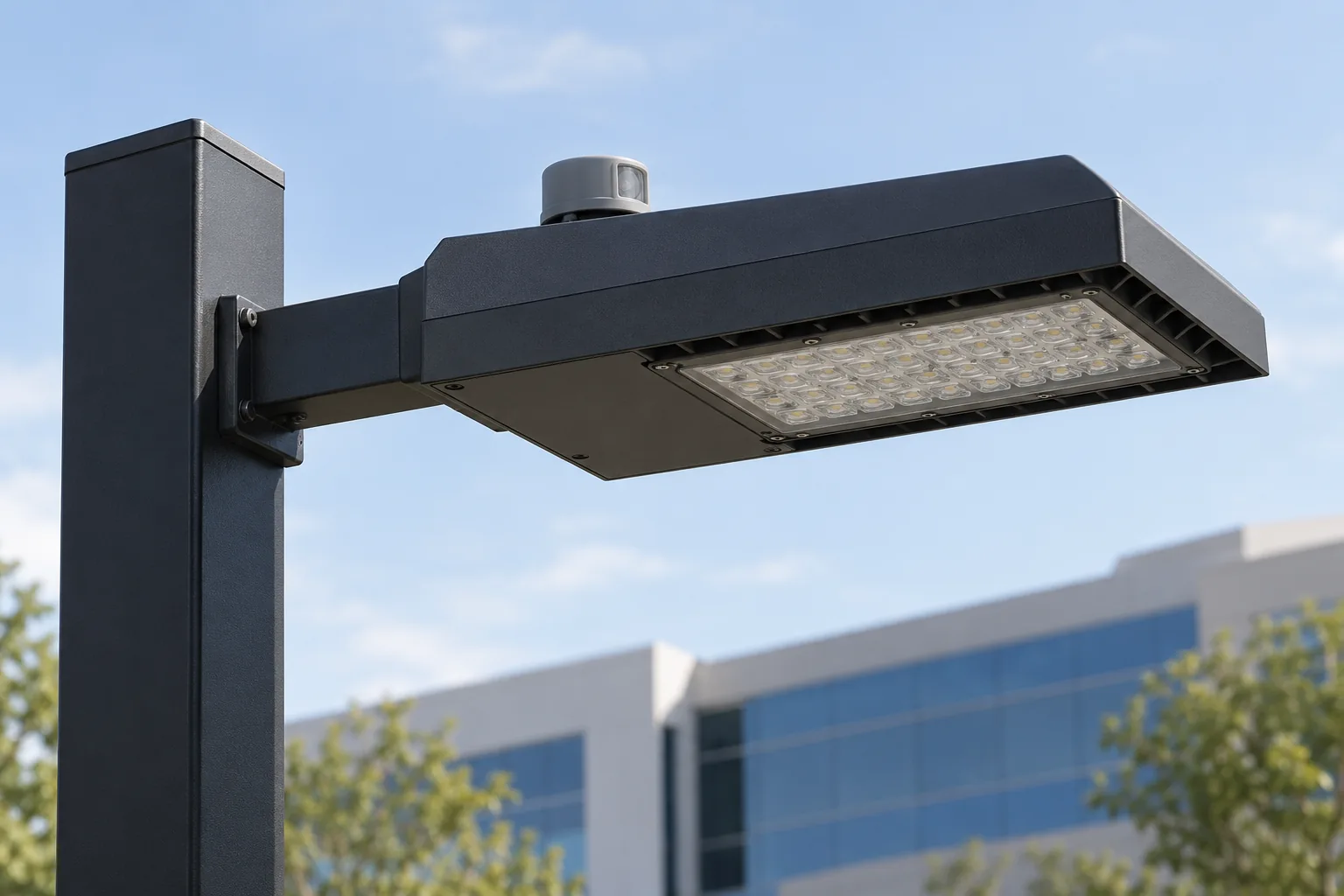
Different patterns lead to different assessment questions
| Observed behaviour | What to describe | Scope to discuss |
|---|---|---|
| Lights remain on in daylight | Note the daylight conditions, affected group and whether the same locations behave this way consistently. Distinguish bright midday from a shaded or heavily overcast period. | Review the retained control arrangement, sensor surroundings and intended operation before choosing equipment. |
| Lights stay dark after dusk | Identify whether all fixtures in an area remain dark or only selected locations. Include known schedule periods and any recent property changes. | Separate control, fixture and associated electrical assessment rather than assuming a photocell alone is responsible. |
| Different areas operate inconsistently | Give each area a clear location reference. Record which fittings respond together and whether their intended occupied hours differ. | Confirm individual devices, shared groups and the boundaries of the proposed work. |
| Operation changes during the evening | Describe approximate timing and whether nearby lights or property activity change at the same time. Report the pattern without testing equipment. | Review interacting controls and the surrounding conditions with the observed sequence available. |
Distinguish a control fault from a planned operating change
Restore expected behaviour
A repair brief describes operation that has changed or become inconsistent. Include the locations, timing and last known satisfactory behaviour where that information is available. The affected equipment and related controls need assessment before a replacement is specified. Keep the fault report tied to observations; identical symptoms at two properties do not establish identical causes.
If fittings have recently been changed, include the product and work records. The investigation can then consider the retained arrangement and the changed equipment together. A replacement photocell should not be treated as an automatic remedy for every exterior lighting complaint.
Define a different operating strategy
A planned project starts with the desired behaviour. Describe which areas should respond to changing daylight, which have occupied-hour limits and which need an agreed late-use exception. Review existing groups and compatible equipment against that brief. The preferred behaviour may require more than replacement of one device.
Keep additions, regrouping and schedule changes explicit. If some equipment will remain, identify its role and the interface with the proposed controls. This makes the project easier to discuss with the owner and avoids presenting a new sensor as if it automatically changes the operation of the whole property.
Connect the device with the equipment it actually serves
The exterior inventory should identify both visible fixtures and the associated control equipment. Some locations may have a device at the fitting, while others form part of a shared arrangement. Gather the records already available and mark any uncertain grouping. Knowing that two lights are mounted on the same facade does not establish that they share a control.
Compatibility requires review of the actual device and connected equipment. An LED replacement can introduce a different product arrangement from the retained system. Discuss manufacturer information, intended switching behaviour and any associated interfaces with the people defining the electrical scope. Do not select a replacement only because its outside shape resembles the old component.
Exterior conditions and access also affect the project. A closed control housing beside a service wall, a device at a high pole and equipment beneath a canopy present different arrangements. Explain exposure, nearby activity and restrictions on the access route. The equipment selected and the method of servicing it should reflect the particular location, with property approval established for the areas involved.
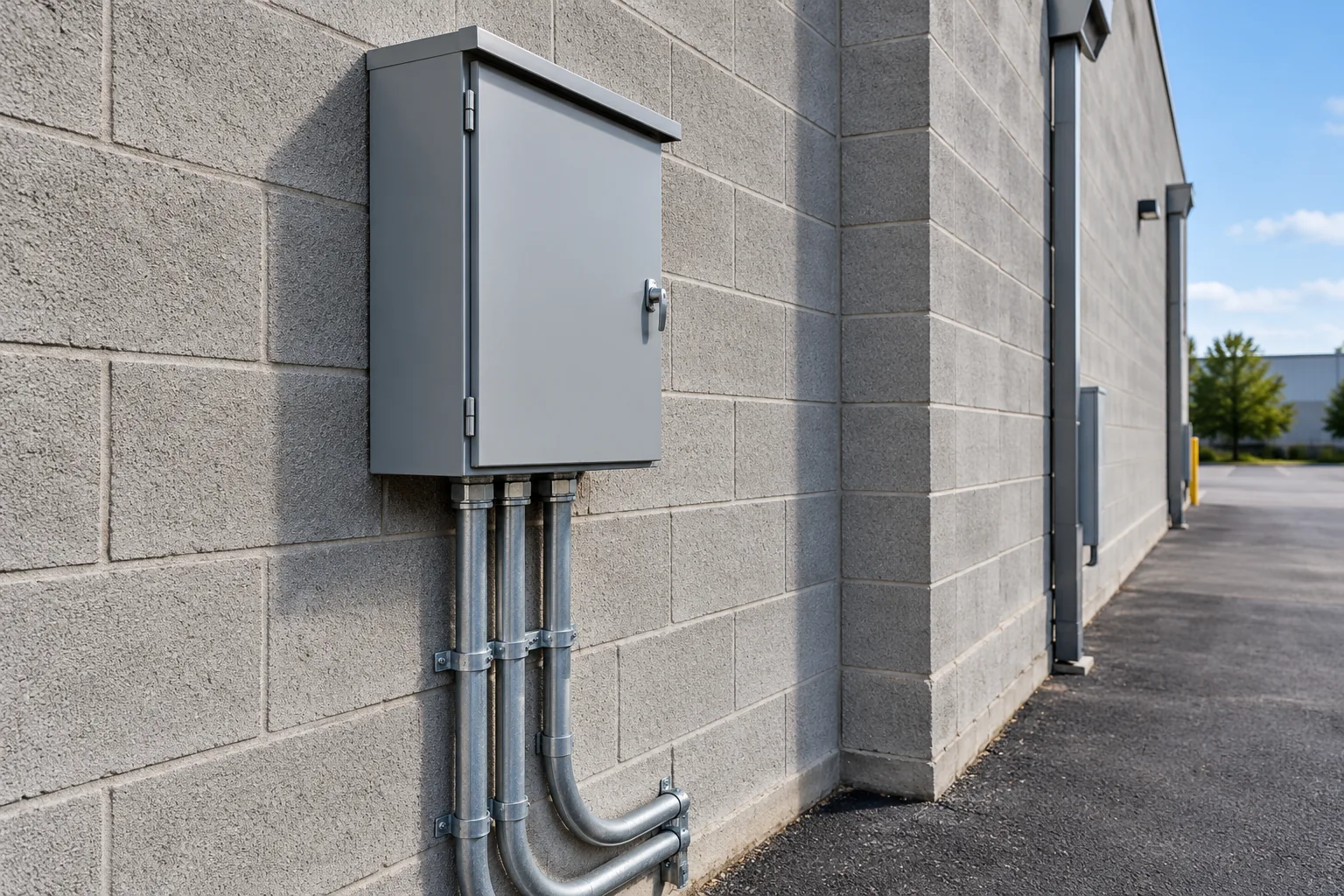
Four distinctions keep the exterior control brief useful
Daylight condition
Describe the exterior condition the response is meant to follow and the areas it serves. Keep sensor surroundings, intended fixture group and seasonal changes visible in the brief. Avoid assuming one location represents every facade or parking zone.
Occupied-hour limit
A business closing time and outdoor daylight are different inputs. State whether the property has an agreed operating window, then review how daylight response and the retained schedule should interact. Confirm the sequence for the particular system.
Late-use exception
Cleaners, staff departures or deliveries may use a route after normal customer hours. Identify the area, intended duration and approval contact. An exception should have a defined boundary and return behaviour rather than becoming an unexplained permanent change.
Functions kept separate
Identify any emergency or exit-sign equipment and other functions that require separate review. Keep those responsibilities distinct from ordinary exterior automation. A general request to turn off unused areas should not silently include equipment with a different purpose.
Review operation at the times the property uses its exterior
A commercial frontage can look satisfactory during an afternoon visit while leaving its operating questions unresolved. Include the evening entrance route, parking areas and service activity in the brief. Where different tenants use the same exterior, identify which areas have shared hours and which need separate decisions. A single closing time may not represent the whole property.
Agree representative review conditions before treating a control change as complete. The discussion can include a daylight period, the relevant evening transition and any scheduled cut-off or exception. What matters is whether the installed arrangement follows the agreed behaviour in those conditions. Product and control records should explain the retained groups and any changes made.
Assign responsibility for future changes. A tenant move, new shift or altered opening hours can affect the intended operation even when the equipment continues working. Keep the agreed sequence and property contact accessible to the manager. When a later complaint arises, current records make it easier to distinguish a new operating request from a fault in the established arrangement.
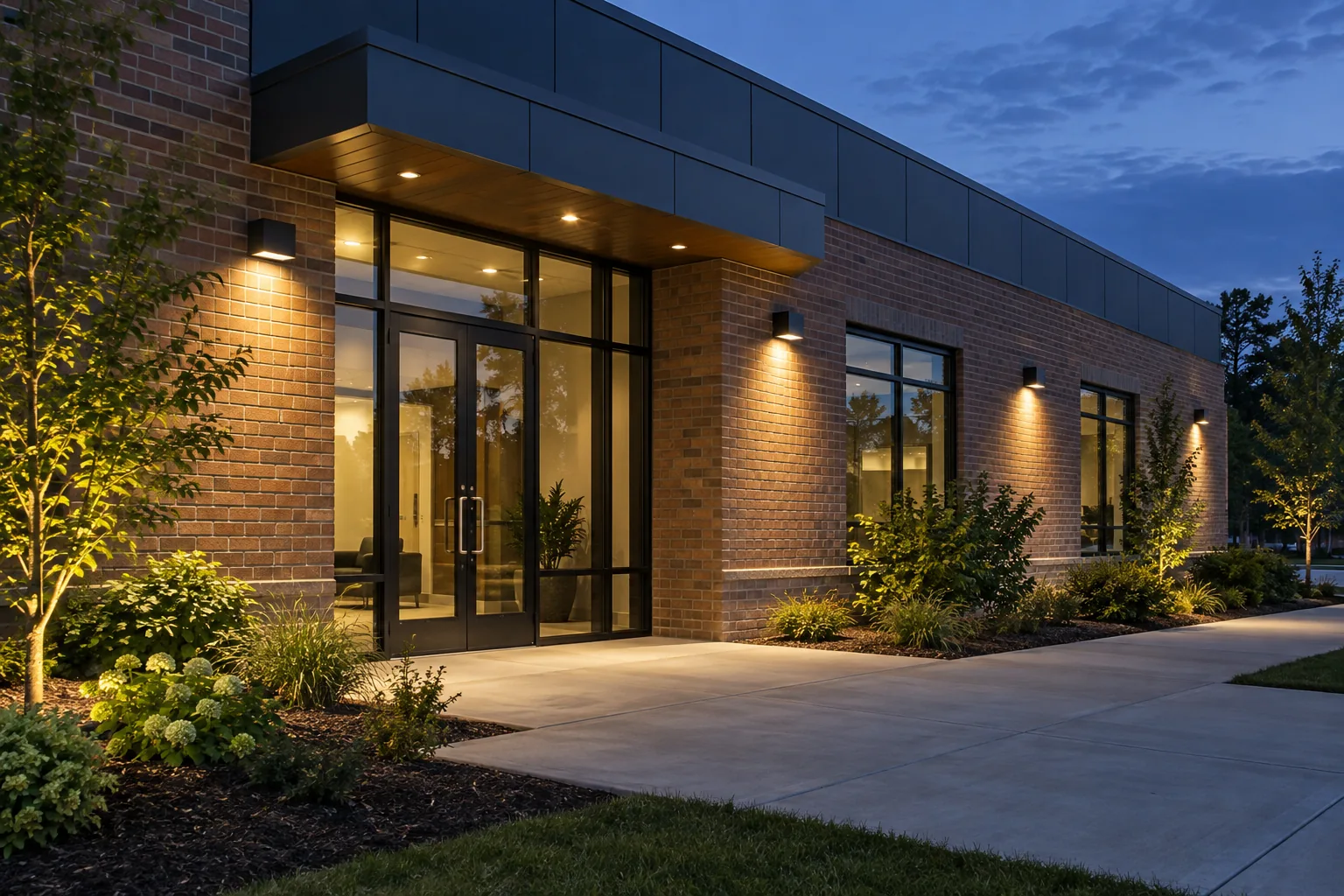
Confirm approvals and access for exterior control work
Identify who authorises changes to common-property equipment and whether any tenant systems sit within the proposed area. Define the device locations, retained control groups and associated electrical work before arranging access. A request concerning one wall-mounted light should not silently become a change to every exterior circuit.
The project-specific scope should also state the review and handover information expected. Keep control settings, equipment references and agreed operating exceptions connected to the affected areas. Where other exterior work is already planned, coordinate those interfaces so that a newly positioned device is not overlooked when the facade or lighting arrangement changes again.
Confirm Licensed Electrical Contractor, notification and review requirements for the electrical scope with ESA.