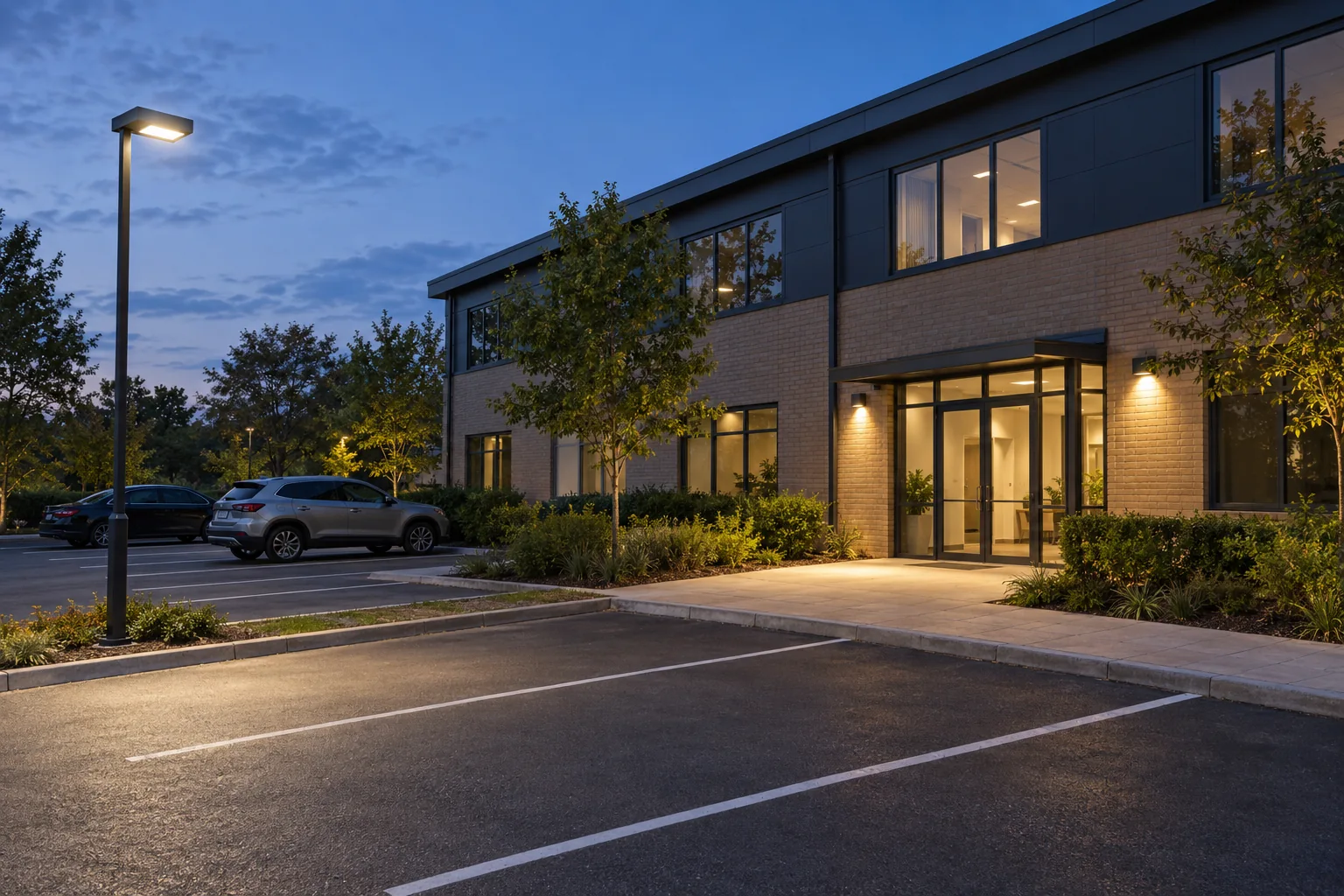
Commercial Lighting Articles & Planning Guides
A useful lighting article should help you ask a clearer question about the building you manage. Start with the facility, the activity or the decision in front of you: comparing an LED upgrade, planning around warehouse racks, addressing office comments, or organising exterior maintenance. The categories below offer several routes into those questions.
For an Oakville property, read with the actual rooms, operating periods and responsibilities in mind. Keep a short list of what is known, what needs assessment and who can supply the missing records. Bring that list into a project or service discussion when you are ready.
Discuss the decision at your facility
Send the property and facility type, the question you are considering and the people involved in approving or coordinating the work. Mention whether you are planning an upgrade or reporting a present lighting concern. Available plans and service records can provide background; identify gaps so they remain open questions.
- Facility and affected working areas
- Planning question or observed concern
- Property, tenant and access contacts
Choose the topic closest to your question
A topic can span several facility types, and an article can appear in more than one category. Choose the subject that best describes the decision you need to make; then follow its related service and facility links for the next level of detail.
Use the facility as your starting point
A warehouse article is most useful when you can relate it to your rack arrangement, picking faces and open staging areas. An office guide needs the desks, screens, rooms and daylight conditions that staff actually use. Avoid treating the broad building label as a complete lighting brief: several activities can occupy the same premises and require separate questions.
As you read, write down the locations that fit the discussion and the ones that differ. A packing bench may deserve its own note even if it shares a ceiling with storage aisles. This makes the article a way to organise your thinking rather than a substitute for examining the particular facility.

Explore lighting decisions in more detail
Browse the current articles below. The title identifies the main planning question, and the short introduction helps you choose where to spend time. Open a category above to narrow the selection, or follow the next page where further articles are available. Article dates show when the published copy was last updated.
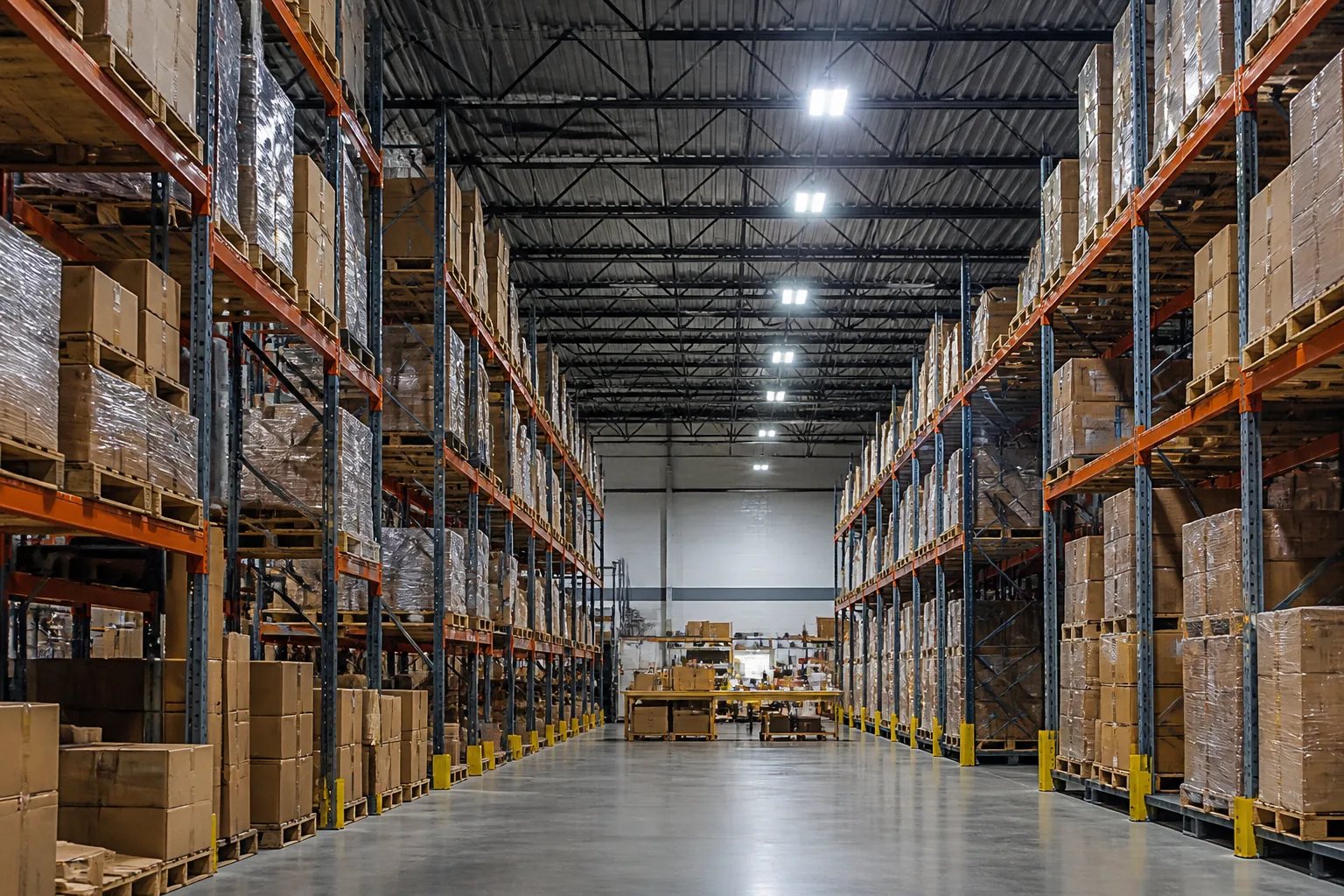
How to Plan Warehouse Lighting Around Racks, Packing and Loading in Oakville
A practical guide to defining warehouse lighting needs around the work people actually do, from picking in rack aisles to packing and loading.
Read the article
What to Bring to a Commercial Lighting Site Assessment in Oakville
A productive lighting assessment starts with the operating details behind the request, not just a fixture count. Learn what to gather, what questions to define, and how to separate a current fault from a larger…
Read the article
How to Report and Plan Commercial Lighting Repairs in Oakville
A practical guide to documenting lighting faults, coordinating site access, and separating urgent repairs from ongoing maintenance or replacement planning.
Read the article
Commercial LED Retrofit Planning in Oakville: Questions to Answer Before Replacing Fixtures
A useful LED retrofit is more than a fixture swap. Learn what to document, compare, and coordinate before defining a commercial lighting replacement project.
Read the article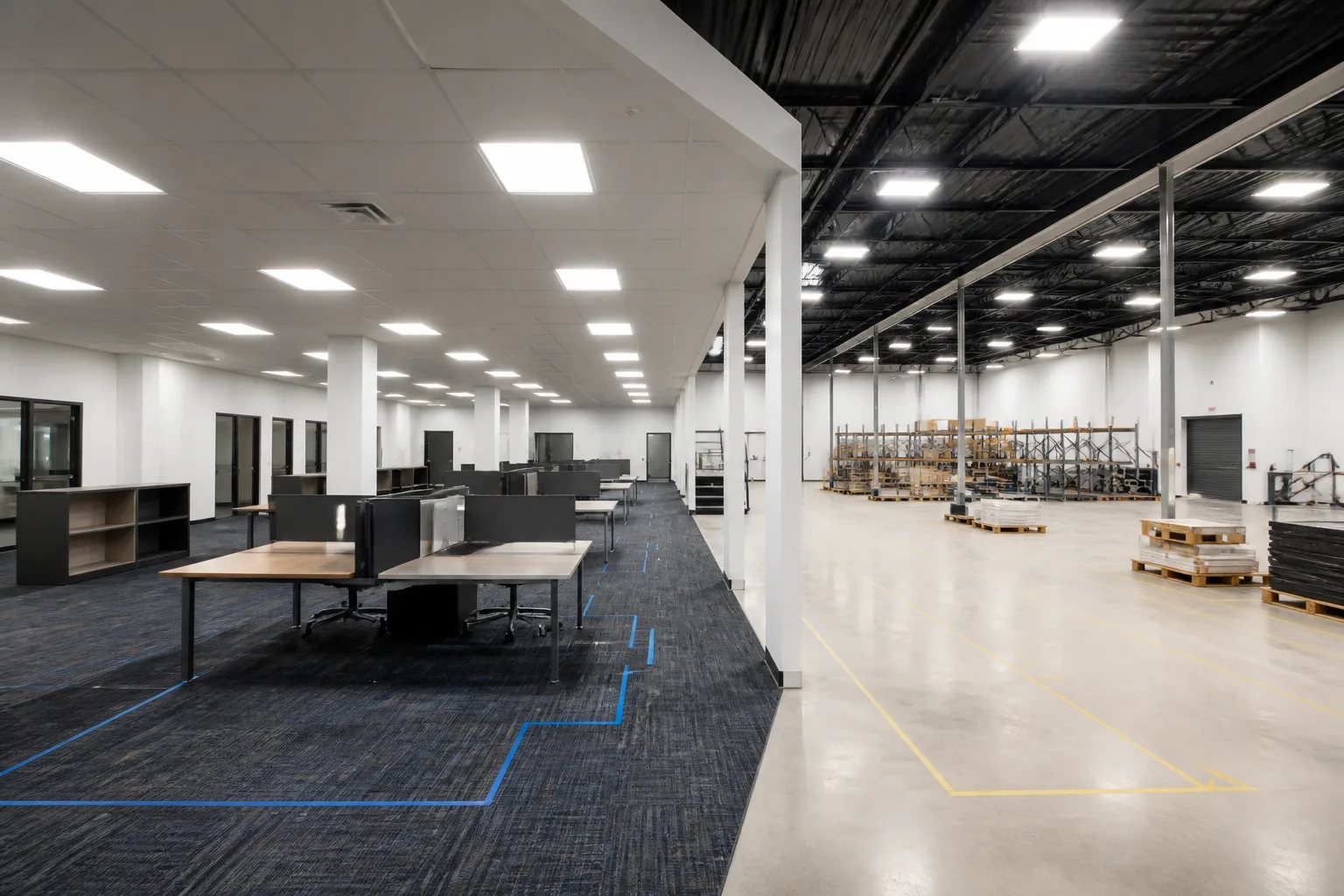
How to Plan Lighting for a Commercial Expansion in Oakville
A practical guide to planning new commercial lighting for an office expansion, warehouse work area, tenant fit-out, reception, or other defined space.
Read the article
Warehouse Lighting Guide for Oakville Facilities
Build a warehouse lighting brief that connects the stock layout, actual work and the decisions needed before products or phases are chosen.
Read the article
Warehouse Lighting Controls & Occupancy Sensors
Write a warehouse operating sequence before choosing sensors, delays or connected functions, then keep the accepted behaviour understandable to the facility team.
Read the article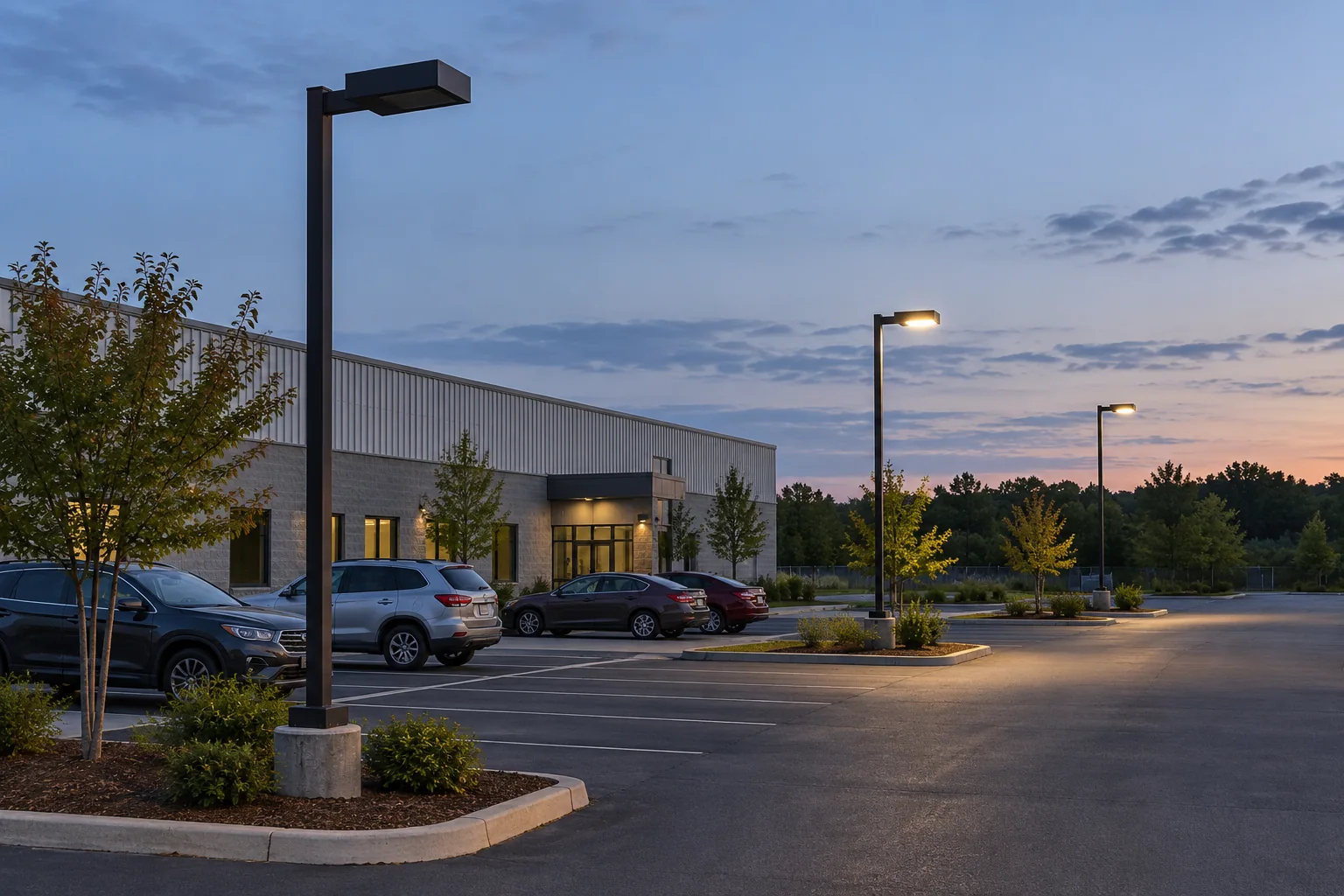
Parking Lot Lighting: Repair vs LED Replacement in Oakville
Separate an outage decision from an inventory decision, then compare the work needed for the parking lot you actually operate.
Read the article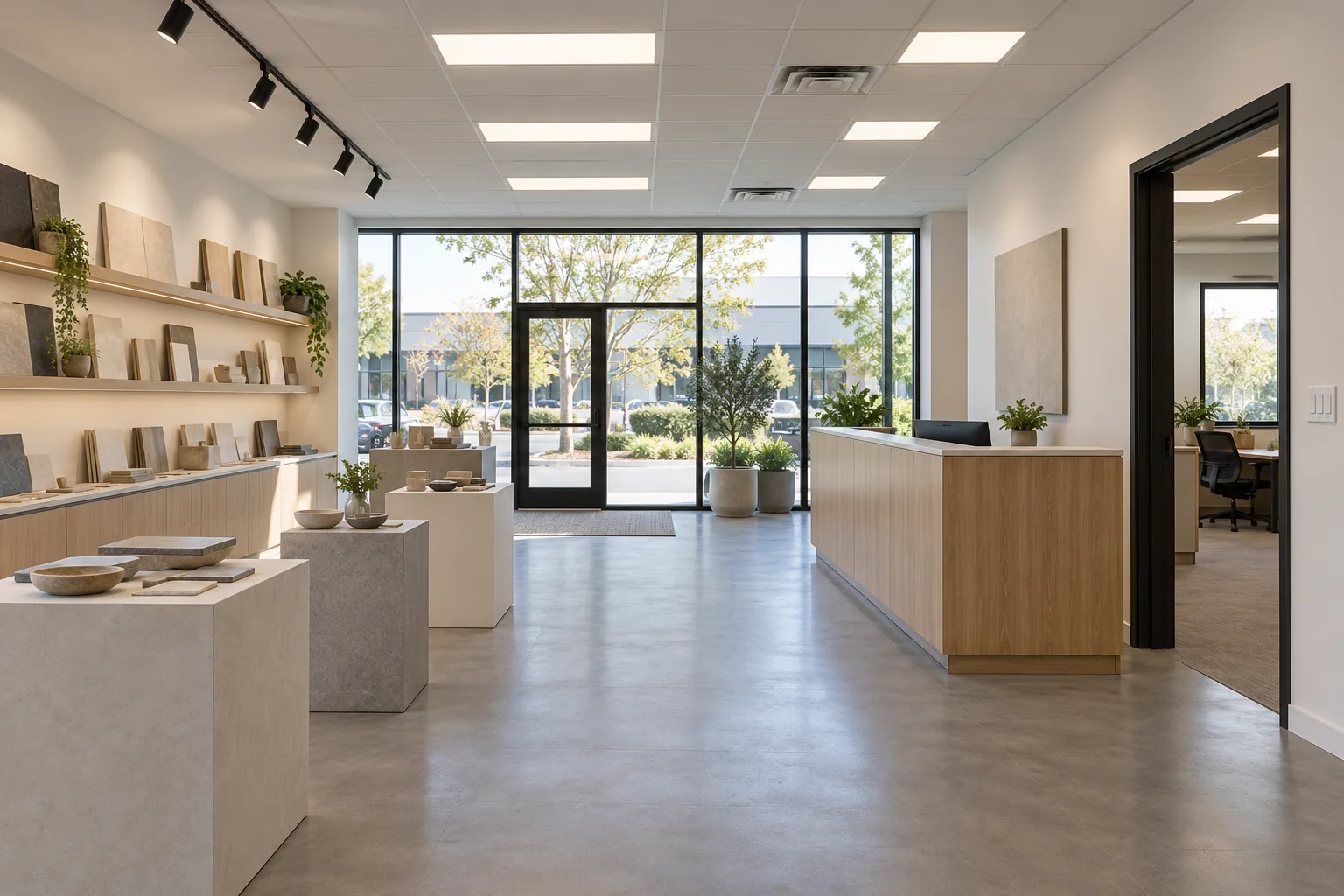
Commercial Lighting Incentives in Ontario: An Oakville Planning Guide
Build a usable incentive enquiry around the actual facility, purchasing status and proposed equipment, while keeping program confirmation distinct from project approval.
Read the article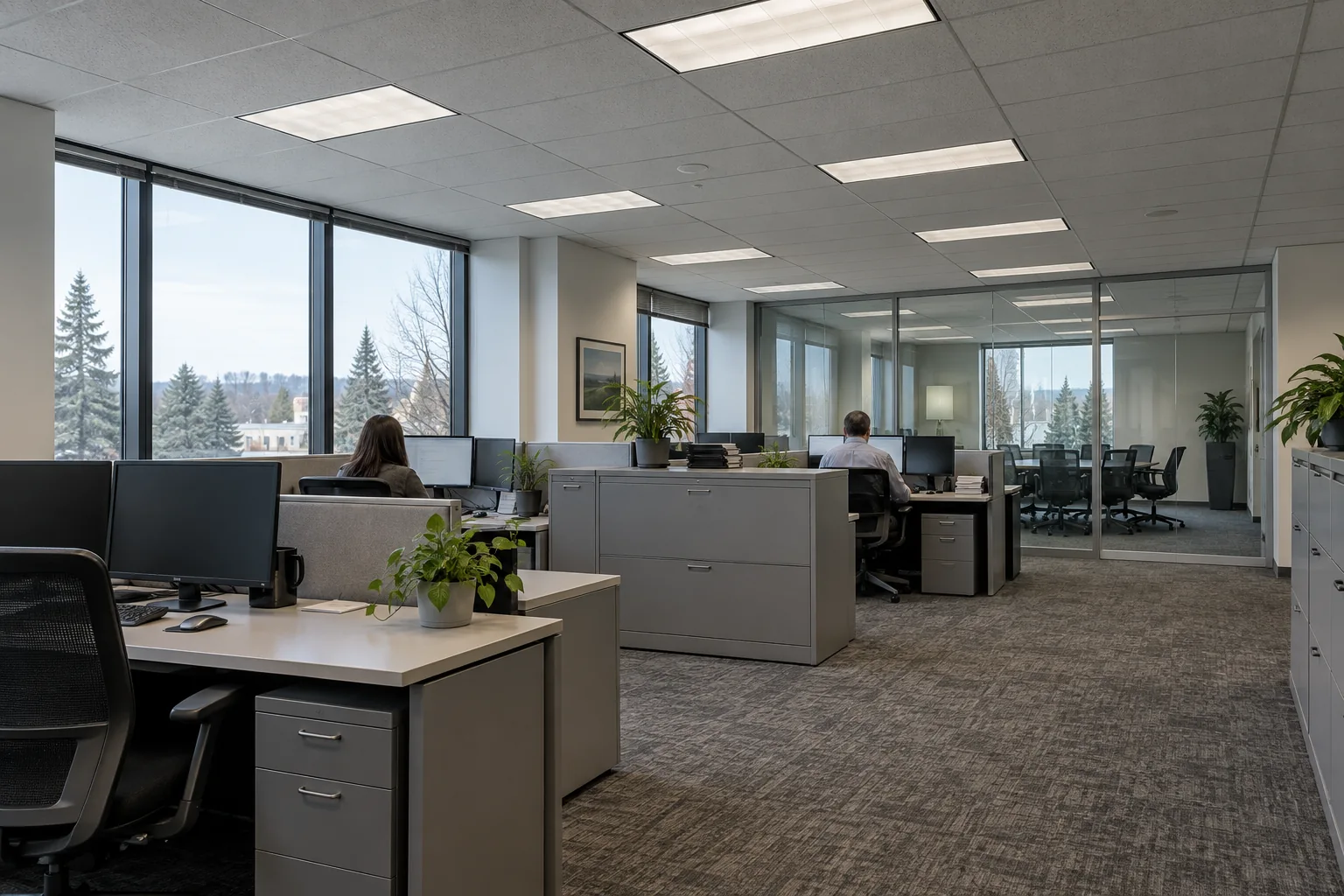
Office LED Lighting Upgrade Guide for Oakville Businesses
Compare office lighting options around real desk work, the ceiling you will retain and the disruption your team can accommodate.
Read the articleSeparate a future choice from an observed problem
Use the articles when you are comparing alternatives, preparing an upgrade brief or deciding how maintenance should be organised. Follow the problem guides when the starting point is an observed condition: lights not working, flickering, dark warehouse aisles, office lighting comments, parking outages or unexpected exterior operation. Those guides help describe the issue and prepare available information for a service discussion.
One situation can involve both routes. An office concern may lead to a repair request first and a later upgrade proposal. Keep the present report and the future decision distinct in your notes, so that a proposed improvement does not obscure the condition that needs attention now.
Bring questions and records into the next conversation
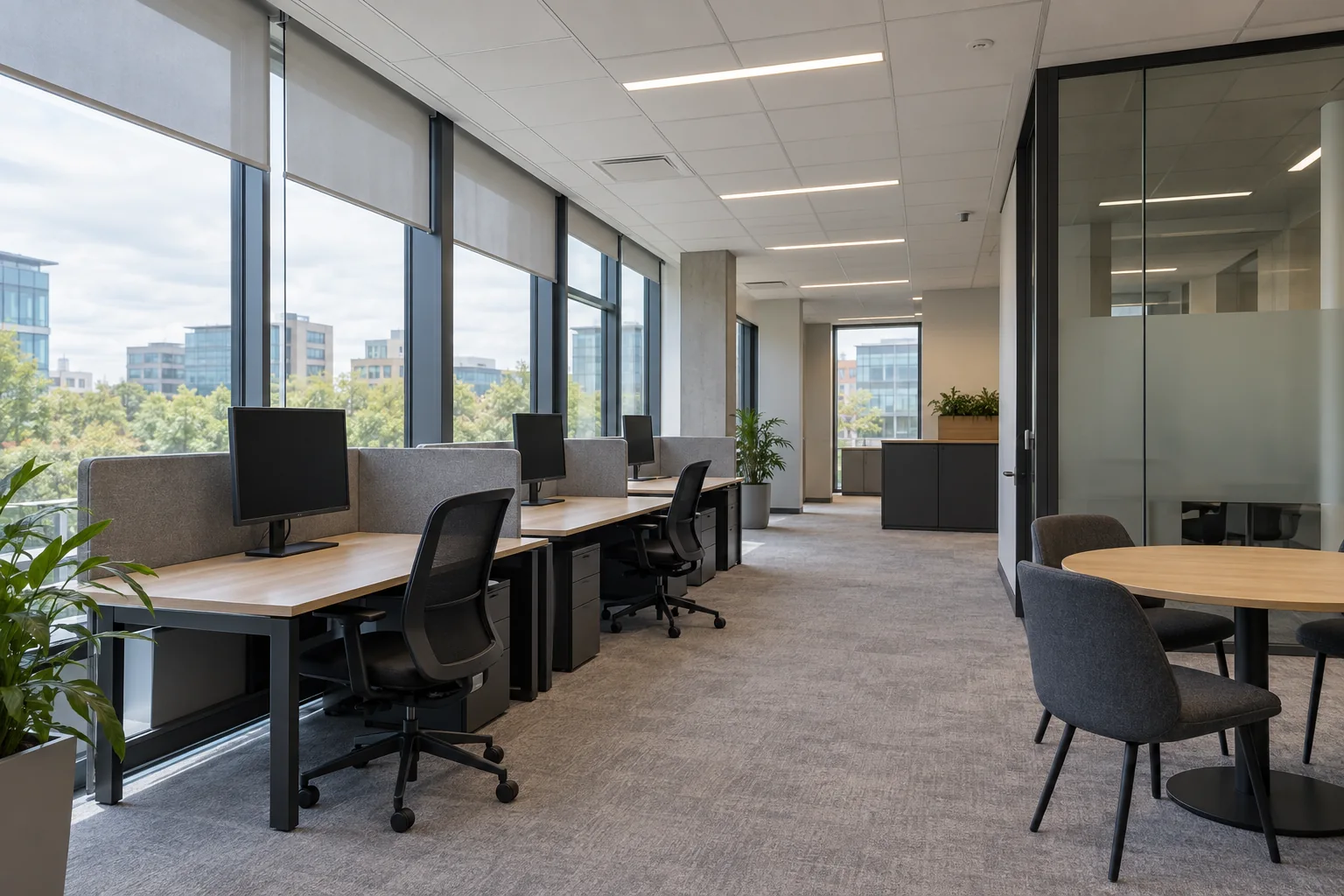
Keep the outcome you want to investigate in ordinary language. Describe the entrance route, the recurring visit, the meeting-room comment or the equipment choice rather than copying a product specification that has not been assessed for your site. Note any available inventory, previous proposal or work record, together with its date and the areas it covers.
Identify who can answer the open questions. A tenant may know how a room is used while the property manager holds common-area records and access authority. Programme details, equipment suitability and applicable site requirements need their own confirmation. Reading can prepare a more focused request; the final scope still depends on the premises and the parties responsible for the work.