
Loading Dock Lighting in Oakville
A loading dock brings together an indoor working area, a door opening and an exterior apron. The lighting changes as doors open, trailers arrive and activity moves between staging and the bay. A fixture above the door is only one part of that arrangement. Review the threshold, the surrounding tasks and the operating conditions together.
For an Oakville commercial or industrial property, loading-dock work can involve a current fault, a replacement fixture group or a broader change to the way the bay is lit and controlled. Start with the doors, equipment and delivery schedule. The intended scope should explain which indoor and outdoor areas are included and how access can be arranged around the operation.
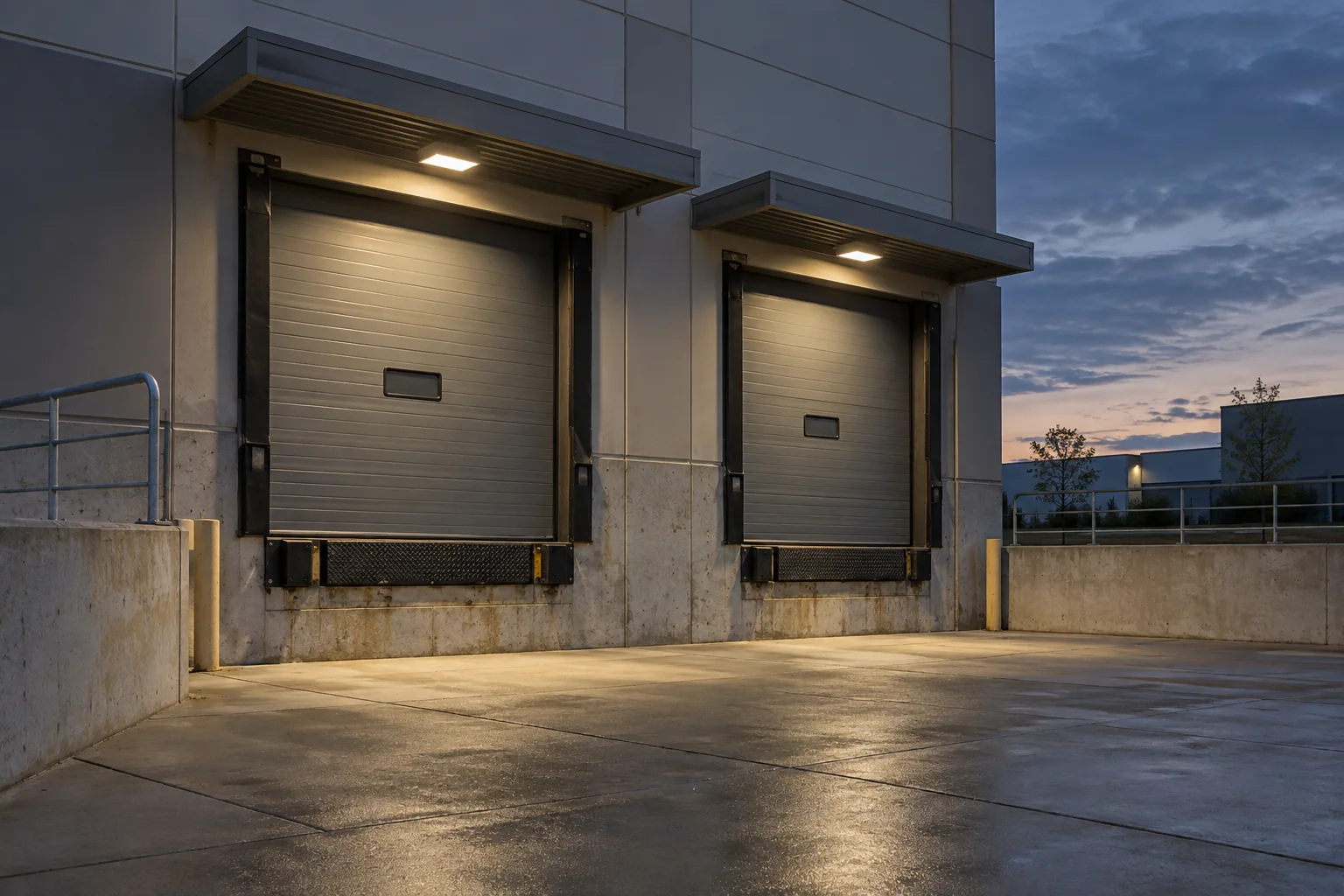
Discuss your loading dock lighting
Provide the Oakville property address, the number of affected bays and whether the problem occurs indoors, outside or across the door opening. Describe present outages separately from a planned upgrade. Note whether the dock is used before daylight, after dark or throughout the day, and whether the doors usually remain open during receiving or dispatch.
Include trailer positions, nearby staging and practical bay-release periods. Identify who controls the exterior fixtures and who can approve access to the indoor electrical system. Ordinary photographs from safe ground positions can help show the layout; staff should not climb to fittings, remove covers or approach an active loading operation to prepare the request.
- Which bays and which indoor or exterior fixtures are involved?
- How do delivery hours and door positions affect the concern?
- When can the bay and the floor below the fixtures be released?
Review the dock in the states that matter
A dock can look acceptable in one condition and work poorly in another. Record how the space behaves when it is occupied and used, rather than evaluating only an empty bay in daylight.
| Operating condition | Lighting consideration | Useful observation |
|---|---|---|
| Door open during daylight | The opening introduces a different light level and direction from the indoor staging area. Review the threshold and the place where goods are checked as people move between the two. | Describe where the bright exterior affects sightlines and whether staged loads obstruct the indoor light. |
| Door closed during indoor work | A closed door removes the daylight contribution and changes reflections near the bay. Indoor fixtures still need to suit receiving preparation, staging and circulation. | Identify tasks that continue with the door closed and whether the apparent lighting problem changes. |
| Trailer positioned at the bay | A trailer occupies the space beyond the opening and may block light from fixtures intended for the apron. Review the actual receiving arrangement rather than an unobstructed exterior photograph. | Provide normal trailer positions and any existing dock-mounted lighting equipment. |
| Evening or early dispatch | Exterior lighting becomes more significant when there is little daylight. Consider the approach, threshold and surrounding apron together with the indoor operating area. | State the working hours and whether the exterior fixtures are switched, timed or controlled automatically. |
Plan the indoor and outdoor transition together
Moving between bright and dark areas can affect visibility. At a dock, the practical review should include the direction of travel and the tasks carried out near the opening. An indoor photograph taken away from the door will not explain every condition at the threshold. Observe the working arrangement with the relevant door positions and at the times when the issue is normally reported.
Consider how overhead fixtures relate to the doorway and nearby staged loads. A pallet stack close to the opening can block light from the indoor side, while a trailer can change what reaches the bay from outside. If a dedicated dock light is present, include its mounting and the area it is intended to illuminate. General building lighting and equipment intended to reach into a trailer are different parts of the scope.
The review should also distinguish lighting from other operating conditions. Door hardware, dock equipment, traffic arrangements and floor markings belong to the wider facility operation. Lighting can be planned around them, but changing a fixture does not resolve every dock concern. Identify the responsible parties for equipment or layout changes so a lighting proposal has a clear boundary and any related work can be coordinated.
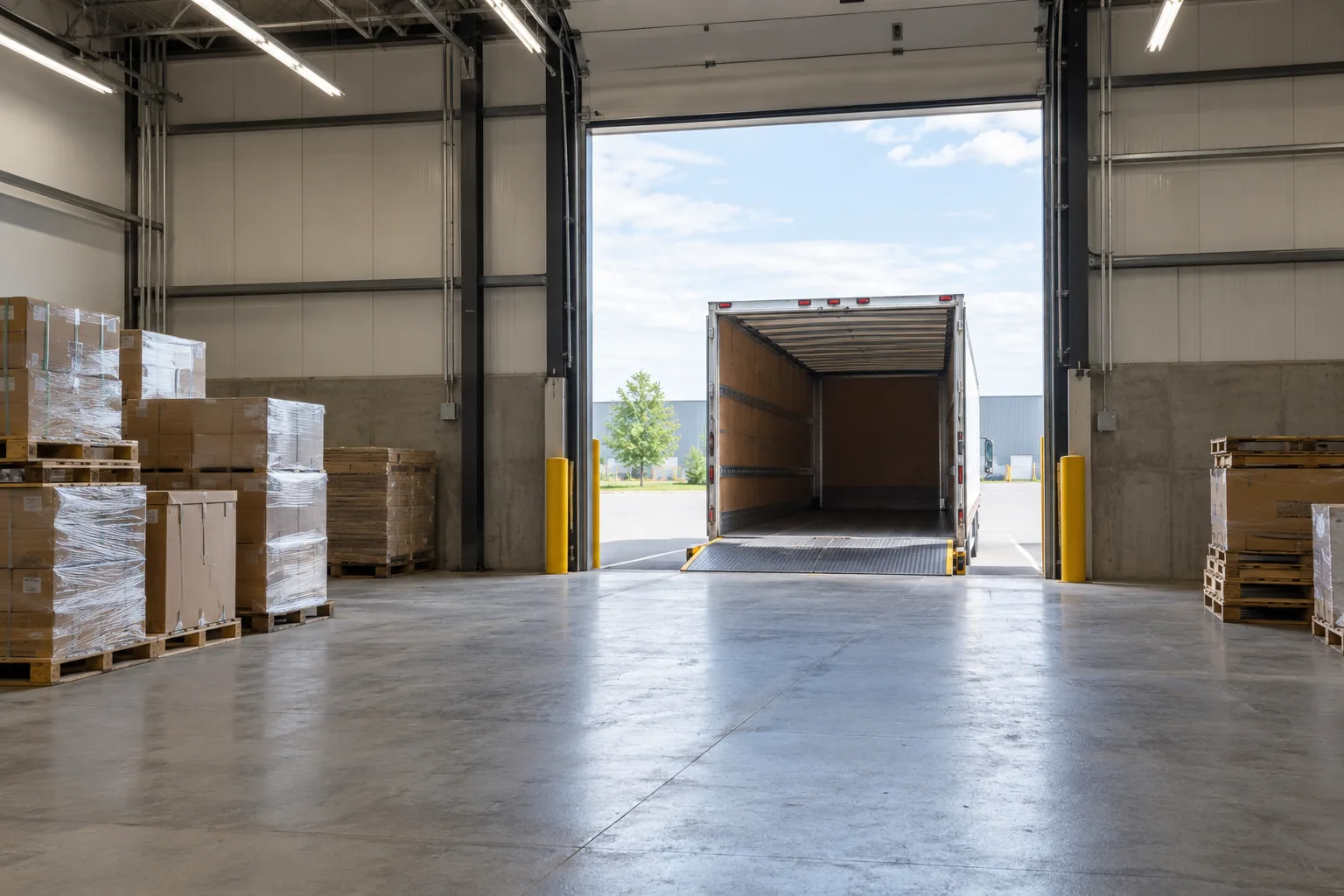
Separate a present fault from a change in coverage
A current outage and a poorly positioned working light may have similar effects but require different decisions. Record the symptom first, then define which route needs to be considered.
Restore an affected fixture or zone
Provide the bay location, the observed behaviour and the times it occurs. Note whether one fitting or a wider group is affected and whether the condition changes with daylight or the controls. The cause needs to be established rather than assumed from a dark area. Keep an immediate operational concern separate from optional future improvements.
Replace a defined fixture group
Review the existing fixture condition, exposure, mounting and control compatibility. A replacement proposal should identify the fittings included and the floor areas they serve. If the old arrangement did not suit the dock operation, copying its positions may retain the problem. Ask how the proposed equipment relates to the actual bay use.
Change the lighting arrangement
Consider distribution where doors, canopies, trailers or staged loads obstruct useful light. The change may involve more than a different fitting above the same door. Record the activity that needs to be supported and any new mounting or circuit work. Keep the indoor staging area and exterior apron identifiable within the proposal.
Review control behaviour
Describe when the bay should be lit and what currently switches it on or off. A fixture that remains off during dispatch may involve its control arrangement rather than its light source. Review schedules, daylight response and occupancy behaviour alongside fixture compatibility. A change to controls should preserve the intended operation of the other areas on that zone.
Match equipment to the place it will be installed
An exterior fitting above a dock door can face conditions that an indoor high-bay does not. Describe the canopy, the extent of shelter and any ordinary exposure to weather, dust or cleaning. The appropriate product and installation details need to be selected for the actual location. A canopy overhang does not, on its own, establish that any indoor fitting is suitable there.
Mounting should also account for the door and its equipment. Track movement, door travel, seals and the shape of the overhang can limit usable positions. A fitting should not be selected before its proposed location is understood. Include existing conduit routes and accessible mounting details where they can be seen safely. Electrical condition and suitable attachment still need professional confirmation rather than a conclusion from a photograph.
For exterior coverage, consider where light is directed from the viewpoint of the people using the dock and the neighbouring areas. A bright source in a driver’s sightline can be distracting even when it increases the light on part of the apron. Shielding, position and distribution should be reviewed together. Broader exterior changes may also require a property-specific review of current municipal requirements; the dock proposal should identify where that separate exterior scope begins.
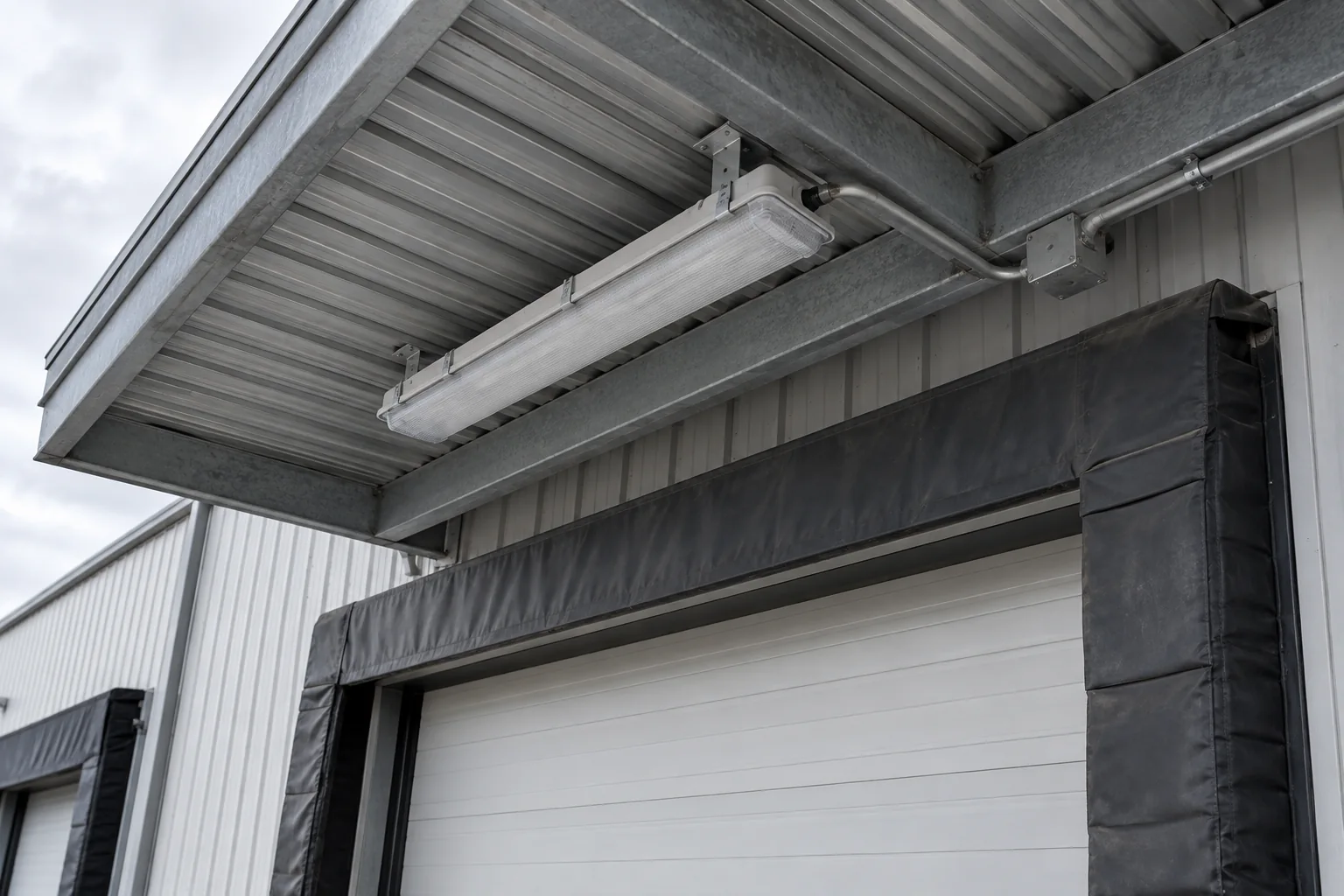
Coordinate lighting work with deliveries and dispatch
Access planning needs the actual floor and operating arrangement below each fixture. A bay number on a drawing is not enough to establish how equipment or people can reach it.
-
Identify each work location
List the indoor and exterior fixtures involved, their approximate height and the conditions below them. Include door equipment, staged material and trailer positions. Distinguish work above the apron from work inside the building. Those locations may have different access constraints even when they serve the same loading bay.
-
Agree the bay release
Confirm the period when the bay can be taken out of the normal operation and who coordinates that decision. Discuss stock relocation, trailer arrangements and the surrounding travel routes. A quieter delivery period may still contain active equipment movement. The usable work area needs to be established before attendance is treated as confirmed.
-
Coordinate the electrical scope
Identify which lighting zones and related areas may be affected by the proposed work. Discuss the control arrangement and any dependencies between indoor and exterior fittings. The scope should make clear what is being replaced, altered or investigated. Record responsibilities for access, electrical work and any separate door or dock-equipment involvement.
-
Define handover and remaining work
Agree what needs to be complete before the bay returns to ordinary use. If work is phased across several doors, keep each completed area and outstanding item visible. Retain the fixture and control information supplied with the work. A partial phase should have a clear boundary so the facility team understands the operating arrangement.
Use controls that follow the dock operation
The indoor staging floor and the exterior apron can have different lighting needs at the same time. Staff may prepare loads indoors before a vehicle arrives, or continue dispatch after the main warehouse operation has slowed. Describe those periods and the lighting that needs to remain available. A single building-wide schedule can obscure the difference between an occupied dock and an unused exterior area.
When an automatic control is already present, record its behaviour without assuming the cause of a problem. Does the exterior light stay on during daylight, switch off too early or respond differently from adjacent bays? Note the time, weather and door state when the symptom is observed. That information can help frame a service request while keeping the diagnosis open until the system is reviewed.
Any proposed occupancy or daylight-based arrangement should be reviewed with the actual bay layout, detection conditions and compatible fixtures. Trailers, canopies and staged loads may affect the conditions around a sensor. Clarify how the system should operate when the dock is occupied, when activity pauses and when the next vehicle arrives. Control changes should be commissioned against that agreed behaviour; their presence alone does not establish suitability or a particular energy saving.
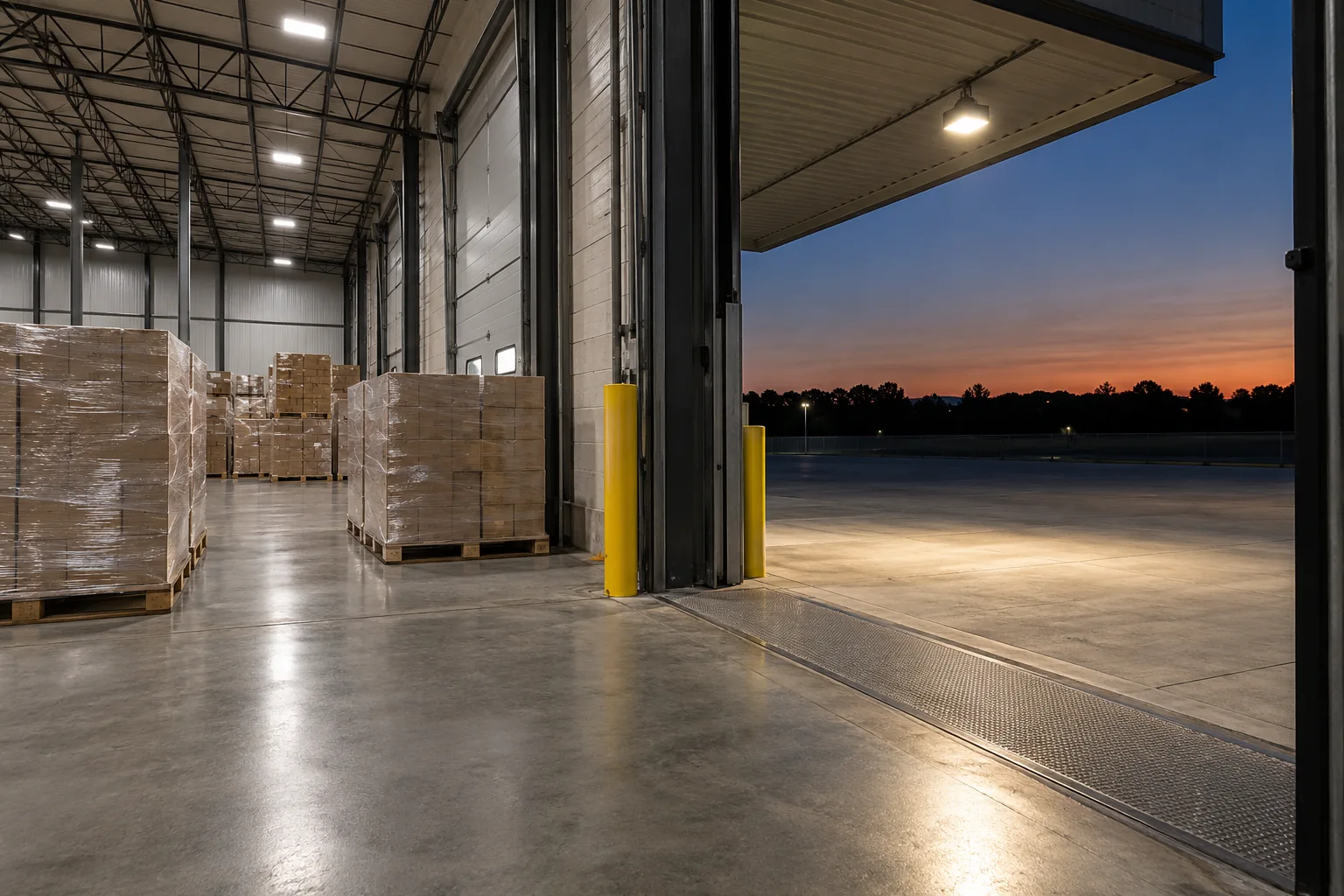
Retain four details for ongoing dock maintenance
Dock lighting records should make it possible to locate the equipment and understand the operating context without rebuilding the history after every change of shift or property contact.
The bay and fixture location
Use stable bay references and distinguish indoor, canopy and exterior fittings. A report saying only “dock light out” can refer to several pieces of equipment. If a fitting moves or the doors are renumbered, update the records. Include the direction of the affected area when several lights are mounted together.
The equipment and work confirmed
Keep available fixture and control details, service dates and the work actually carried out. Separate a confirmed replacement from an observation made before attendance. Unknown component information can remain unknown. An accurate partial record is more useful than a complete-looking list that assigns unverified products to the bay.
The condition when a fault appears
Note whether the issue occurs in daylight, after dark, with the door open or when a particular zone is occupied. Keep intermittent symptoms tied to dates and locations. These observations can distinguish an operating pattern from a single isolated outage without requiring staff to test electrical equipment.
The access and ownership arrangements
Record who approves work, who releases the bay and whether the landlord manages exterior fittings. Keep any limits on access or agreed phase boundaries with the service information. When tenant operations or dock equipment change, review whether the lighting access plan and the responsible contacts remain accurate.
Confirm the requirements for the actual dock work
Use a Licensed Electrical Contractor for hired electrical work; confirm notification requirements for the project. In the proposal, identify the lighting areas included, the existing equipment being considered and the people responsible for access and approval. A lamp or fitting replacement, a new mounting position and a circuit alteration should not be treated as interchangeable descriptions of the work.
Where the request also involves emergency lighting, door equipment or a wider exterior-lighting change, identify those systems explicitly. Agree which matters are within the lighting scope and which require a separate review. Building staff can contribute site records and ordinary observations without opening equipment. The project discussion should end with a practical account of what is known, what remains to be checked and what work is being proposed.
Clarify the dock boundary before agreeing work
Oakville’s employment areas include lands around the QEW and Highway 403. At a leased or shared loading property, distinguish the lights inside the unit, fittings over the door and equipment illuminating a common apron. The lighting request should identify which of those locations is part of the proposed work and who authorizes changes there.
Where a proposed fixture position changes the exterior illumination, discuss the particular property conditions and applicable requirements before procurement. Provide the door and canopy arrangement, nearby occupied areas and the existing control schedule. A change intended to help one loading position should also be considered from adjoining routes and properties. Identify these relationships using ordinary site photographs and available records; the discussion can then define the scope without assuming every dock at an Oakville business property has the same mounting or approval conditions.