

Confirm the mode supported by the actual product
Leviton describes occupancy operation as automatic-on and automatic-off, and vacancy operation as manual-on and automatic-off. Confirm the selected product and configuration.
Its PIR guidance describes movement detection requiring a clear sightline; obstacles can interrupt that relationship.
Use those distinctions to frame questions, rather than select a device from its name. Ask which behaviour the proposed equipment supports in the intended warehouse arrangement. The manufacturer reference is general guidance, not a coverage design for a particular stocked aisle.
Describe entry and slow work as separate parts of the sequence
Choose an ordinary visit to a particular aisle. Record where the picker approaches, the first shelf used and whether the task continues farther along the row. Ask what light response is wanted before the person reaches the working position. If the aisle can be entered from either end, give both approaches their own place in the brief. This is more useful than describing a demonstration made by walking directly below a detector.
Next describe the pause. A person comparing stock references may make smaller movements than someone carrying a carton along the aisle. State where that sustained work happens and whether it includes a recessed shelf, a handheld screen or a nearby checking surface. Ask how the selected sensor, placement and control sequence will address it. Keep any complaint about light changing during that task tied to the occupied position and the ordinary activity.
Finally describe departure and the neighbouring route. Does the picker return to a continuously used packing area or move into another intermittently used aisle? Write down the intended relationship between those zones. A cross-aisle is a recognisable operating boundary, but it may not match the retained lighting group. Ask the provider to explain the proposed grouping and interfaces before treating each rack aisle as an independent control decision.
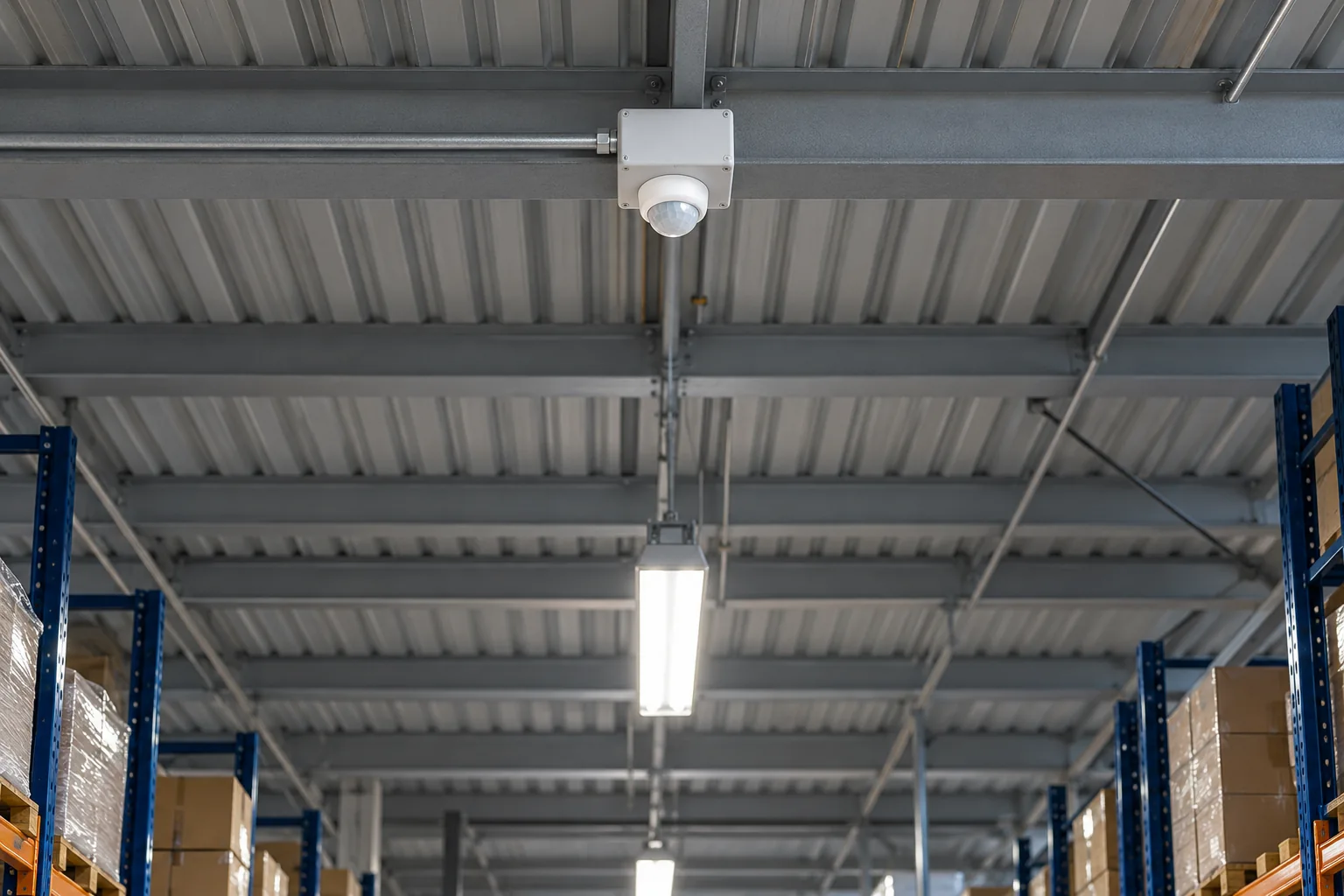
Put the task, response and review question together
| Ordinary event | Response to describe | Question to resolve |
|---|---|---|
| Aisle entry | State the approach direction and the first occupied position. Describe the response users need on arrival without specifying an unconfirmed detector range. | Which product, placement and neighbouring zone relationship support that approach? |
| Picking pause | Identify a recurring stock check and the position where someone remains. Keep the desired occupied behaviour distinct from a fast walk-through demonstration. | Which representative tasks will be included in the agreed operating review? |
| Area becomes unused | Explain the intended transition after normal activity ends. Switching, dimming and any retained background state belong in the proposed sequence where supported. | Who approves the product-specific delay and other settings, and records later changes? |
| Exceptional use | List stock counts, cleaning and late order preparation that occur outside the main shift. State the zones needed and the contact authorising the exception. | How is the exception requested, ended and distinguished from a recurring fault? |
Three questions make a delay discussion more useful
What happens while work continues?
A reported change during picking needs a record of the task and position, not just the current delay value. Ask whether coverage, placement, grouping and other controls have been considered for that event. Increasing a delay can be discussed as one option, but the proposal should explain what the change addresses and how it relates to the accepted occupied sequence. Avoid treating a setting from another warehouse as a specification for this one.
What happens between visits?
Describe how often the area is used and which neighbouring activities continue. A rack aisle used sporadically differs from a checking area where someone remains beside the same pallets. Ask what transition the selected equipment can support and how users experience the boundary. Keep product capability and the facility preference in separate parts of the record so an unsupported function does not become an assumed commitment.
Who owns an adjustment?
Agree the person who approves settings and the information needed before a change. Record the reason, affected zone and accepted sequence. If several shifts report different experiences, retain those reports rather than allowing each team to alter a shared setting independently. A later request can then be compared with the same operating brief. The purpose is an understandable decision history, with any specialised configuration handled through the agreed support arrangement.
Staging needs its own account of occupancy
An open staging area can look simple on a plan while changing use through the day. Goods may wait for receiving checks, move into route groups or occupy temporary lanes before dispatch. Identify the recurring configurations and the activities performed within them. The controls brief should name the working area and its ordinary boundaries, rather than infer occupancy from the presence of pallets or the apparent openness of the floor.
Include people who remain near one location. A checker may compare an order beside a staged pallet while vehicle movement occurs farther away. Ask how that occupied task will be represented when the proposed arrangement is reviewed. Record whether the same floor becomes a packing overflow area during peak periods. A setting agreed around rapid circulation should not silently become the accepted response for a longer task in the same place.
Describe the shared interfaces. Receiving doors, packing stations and rack aisles may connect with the staging zone at different times. Ask which lighting groups remain together and which decisions can be made locally. Where work is phased, request a clear account of temporary operation alongside retained equipment. A completed sensor installation in one corner does not, by itself, establish the final operating sequence for the full warehouse floor.

Create an operating record in four stages
-
Capture ordinary use
Choose named rack, staging and working areas. Describe entry, sustained activity, departure and recurring exceptions in each. Include the layout version and any recent change. Record observed behaviour without trying to reproduce a suspected fault. The starting material should explain what happened during normal operation and what the facility wants the agreed sequence to support.
-
Confirm the equipment boundary
Gather product schedules and control records already available. Mark retained fixtures, unidentified equipment and requested functions separately. Ask the provider to confirm the specific driver, sensor and control relationships, plus any required specialist input. Keep this confirmation ahead of an assumed product order. Similar fixture appearance or a general dimmable description is not a complete compatibility record.
-
Agree representative review
Discuss the ordinary tasks and conditions to include when the proposed behaviour is reviewed. Name the operating contact who can explain picking pauses, staging changes and late use. Confirm access and the review scope with the provider. Do not ask staff to climb, open devices or change configuration to prepare. The representative task description is a facility contribution, not an electrical test procedure.
-
Keep the accepted sequence
Retain recognisable zone names, supplied product information, approved settings and the responsible contact. Attach adjustments to their reason and review date. When racks or work periods change, compare the new routine with the accepted brief before carrying old assumptions forward. Keep any continuing support or system administration responsibility explicit, including how a new manager receives the operating records.
A skylight zone should be recorded alongside the tasks beneath it
Mark the roof openings and the work areas associated with them on the current plan. Explain the conditions in which the warehouse concern is noticed: an evening stock check, a cloudy receiving period or work farther from the opening. Ask which fixtures the proposed daylight-related arrangement would manage and which remain outside that group. The brief should identify a practical zone, rather than use one daylight observation as an account of the whole roof.
Include rack and stock assumptions when comparing that zone with the rest of the building. If shelving beneath a skylight will move, provide the proposed version and say which tasks will remain. Ask how the selected equipment will relate daylight response to occupied picking or checking. Keep the desired behaviour in ordinary language: what users expect at the relevant work positions and who can approve a change if the operation is revised.
Give the eventual record enough context for maintenance. A zone name such as north roof-opening area should connect with a plan and the fixtures included. Ask for the operating explanation and relevant configuration information agreed within the project scope. If the property later changes roof work, stock positions or shift hours, retain that event alongside the controls history. It helps the next discussion distinguish a changed facility brief from an observation involving the existing sequence.
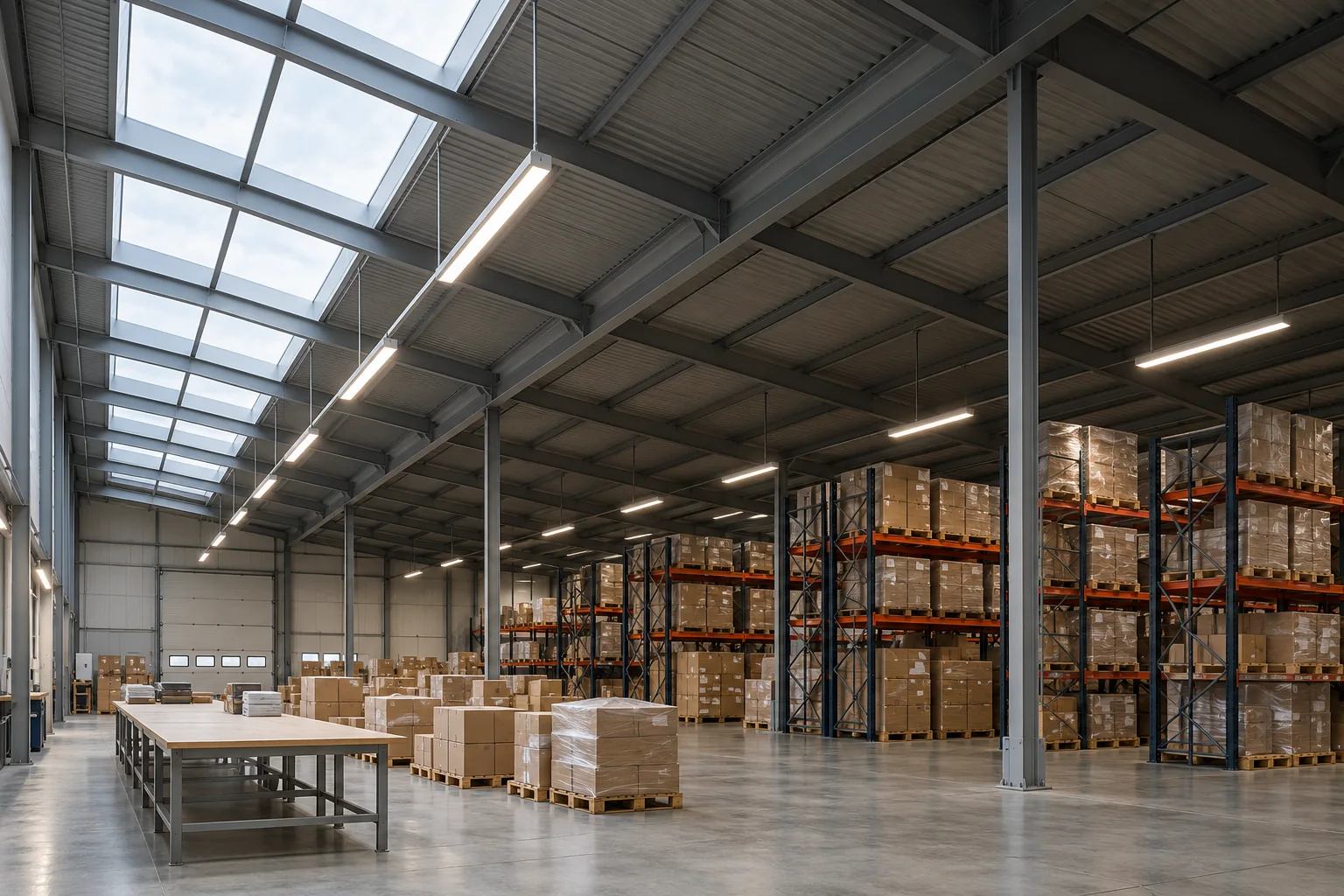
Connect the controls brief with the Oakville unit contacts
Oakville’s employment review includes areas north and south of the QEW.
For a controls enquiry in a leased Oakville warehouse, identify the unit and the person managing its occupied routines. Name the property contact separately where retained lighting groups or common receiving areas need coordination. A tenant’s picking sequence and the building’s shared operating arrangements may be held in different records. Bring both contacts into the boundary discussion, and keep the actual aisle and staging references attached to the proposed settings.